 how-to
How to Choose Office Catering: A 2026 Guide
Table of Contents
- Start With the Event Purpose and Guest Count
- Office Catering Budget Planning and Cost Per Person
- How to Calculate Catering Portions for Your Team
- Corporate Catering Menu Ideas That Work for Groups
- Build a Catering Dietary Restriction Checklist
- Compare Caterers With a Practical Scorecard
- Conclusion
- Frequently Asked Questions
Last Updated: October 9, 2026
Start With the Event Purpose and Guest Count
Learning how to choose office catering starts with two questions: what is this event for, and how many people are coming? Get those answers first, and every other decision gets easier. At Knuckle Sandwiches, we cater office meetings, graduations, birthdays, and everyday team lunches, so we have seen how much the purpose shapes the order.
Office catering is the practice of ordering prepared food in bulk for a workplace event, delivered or set up so a team can eat together without leaving the building.
A working lunch for eight people looks nothing like a client presentation for sixty. The first needs food that is easy to eat at a desk. The second needs presentation, variety, and enough food that nobody feels shorted.
Start by writing down three things:
- The reason for the event (training, celebration, client visit, all-hands)
- The exact headcount, plus a buffer of two to three extra meals
- The time food needs to be on the table
Matching the Catering Style to the Meeting
Match the food format to how people will eat, not to what sounds impressive.
For a quick team check-in, boxed meals or sandwich platters win. People grab, eat, and get back to work. For a longer meeting where people mingle, buffet-style service works better because guests control their own portions.
Office Catering Budget Planning and Cost Per Person
Office catering budget planning comes down to cost per person multiplied by headcount, plus the fees most teams forget to count. Build the estimate in full before you compare quotes, or the cheapest-looking option can end up costing the most. Accounting for these hidden variables often reveals that supplementing occasional catered events with reliable office vending solutions provides a more stable long-term approach to workplace nourishment.
A complete catering budget has five lines, not one:
- Food cost per person, based on the menu tier you pick
- Delivery and setup fee, which often scales with distance and order size
- Disposables, chafing dishes, and serving utensils, if not bundled in
- Sales tax on the food and any taxable fees
- Gratuity, typically expected on staffed or full-service orders
Two more line items catch people off guard. Many caterers set a minimum order for delivery, so a small team lunch may carry a fee that a larger order would not. And add-ons like extra sides, a dessert tray, or a beverage package are priced per person, not per tray, so they compound with headcount.
That is why the buffer matters more than people think. Headcounts shift. Someone brings a plus-one. A department gets invited late. Ordering a few extra meals costs far less than running out, and the buffer is the cheapest insurance in the whole budget.
Pricing depends on quantity, menu choices, and delivery timing, so we quote each order directly rather than publishing flat rates. Compared with other sandwich shops, our prices land about the same, and sometimes lower once you factor in what you actually get on the plate. Scratch-made food with no processed deli meats means you are paying for the meal, not for filler.
How to Read a Catering Quote
Ask for the quote in writing and check it against your five-line budget. A quote that lists only a per-person food price is incomplete. Confirm whether delivery, setup, disposables, tax, and gratuity are included or added later, and ask whether the minimum order applies to your headcount. The number that matters is the total, not the headline per-person rate.
How to Calculate Catering Portions for Your Team
To calculate catering portions, plan on one to one-and-a-half servings per person for a meal, and two to three pieces per person for appetizer-style spreads. Then round up.
Here is a simple way to size an order:
| Meal Type | Servings Per Person | Add Buffer For |
|---|---|---|
| Full lunch | 1 to 1.5 | Big eaters, seconds |
| Breakfast | 1 to 1.5 | Early arrivals |
| Appetizers only | 2 to 3 pieces | Grazing over 2+ hours |
| Sides and salads | 1 cup per person | Potluck-style setups |
Portion planning gets tricky when the guest list keeps moving. For events with a fluctuating headcount, order for the high end of your estimate and choose items that hold well if there are leftovers.
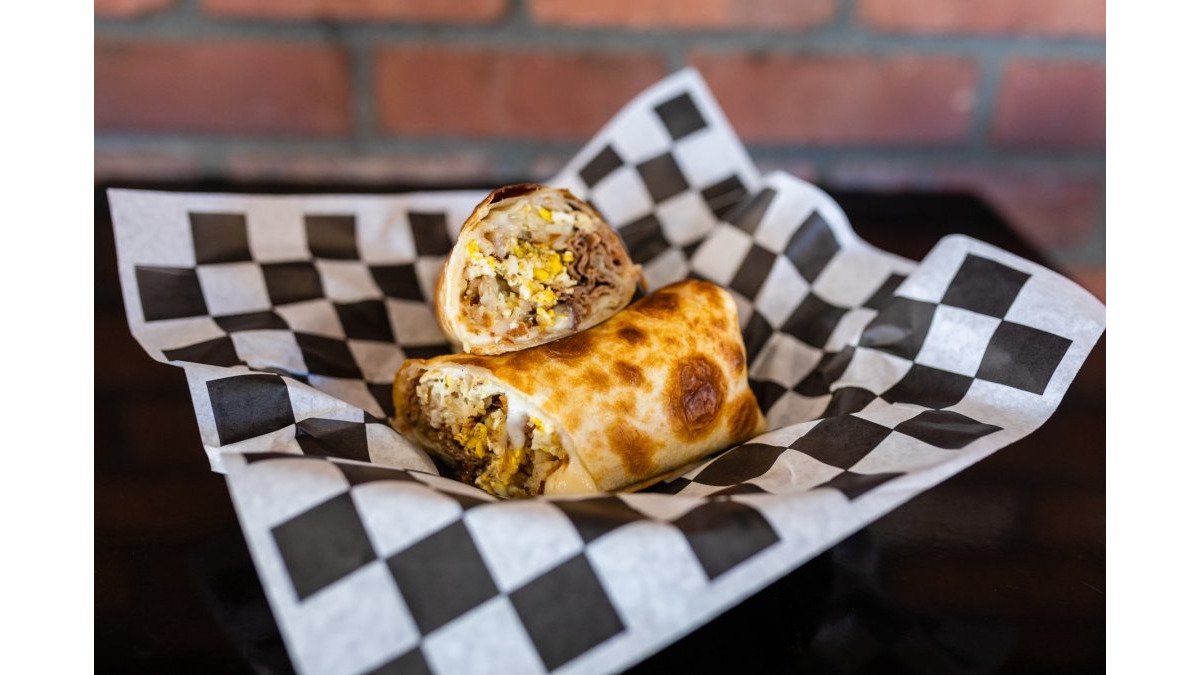
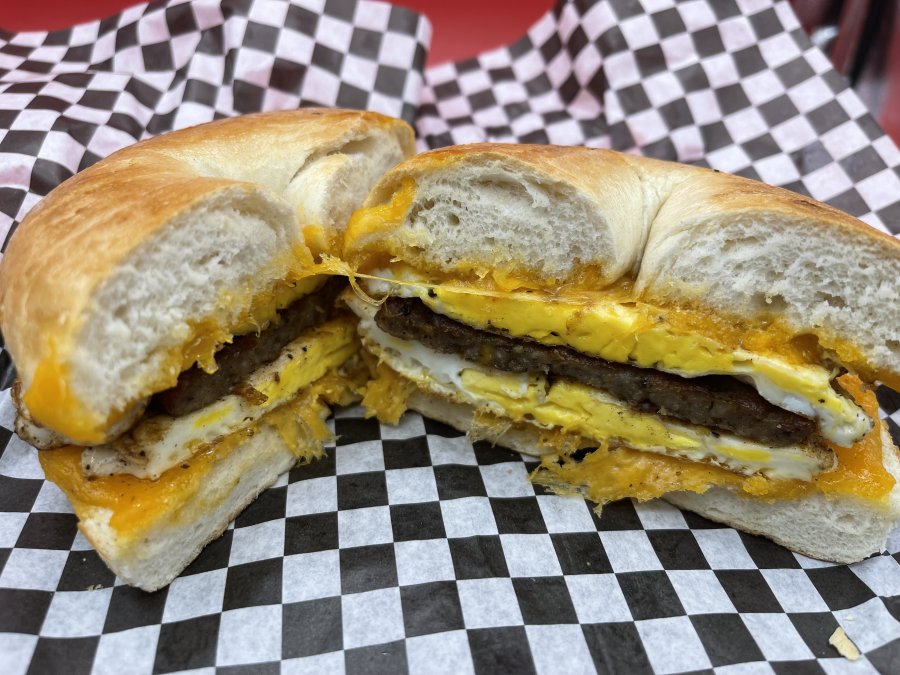
Breakfast is its own calculation. Morning meetings tend to run shorter, so people eat less, but they arrive hungry. Breakfast burritos, bagel sandwiches, and bowls cover that well, and we make our own salsa in house to go with them.
Corporate Catering Menu Ideas That Work for Groups
Good corporate catering menu ideas share one trait: they travel well and please a crowd. Variety matters more than any single dish.
A menu that works for most groups includes:
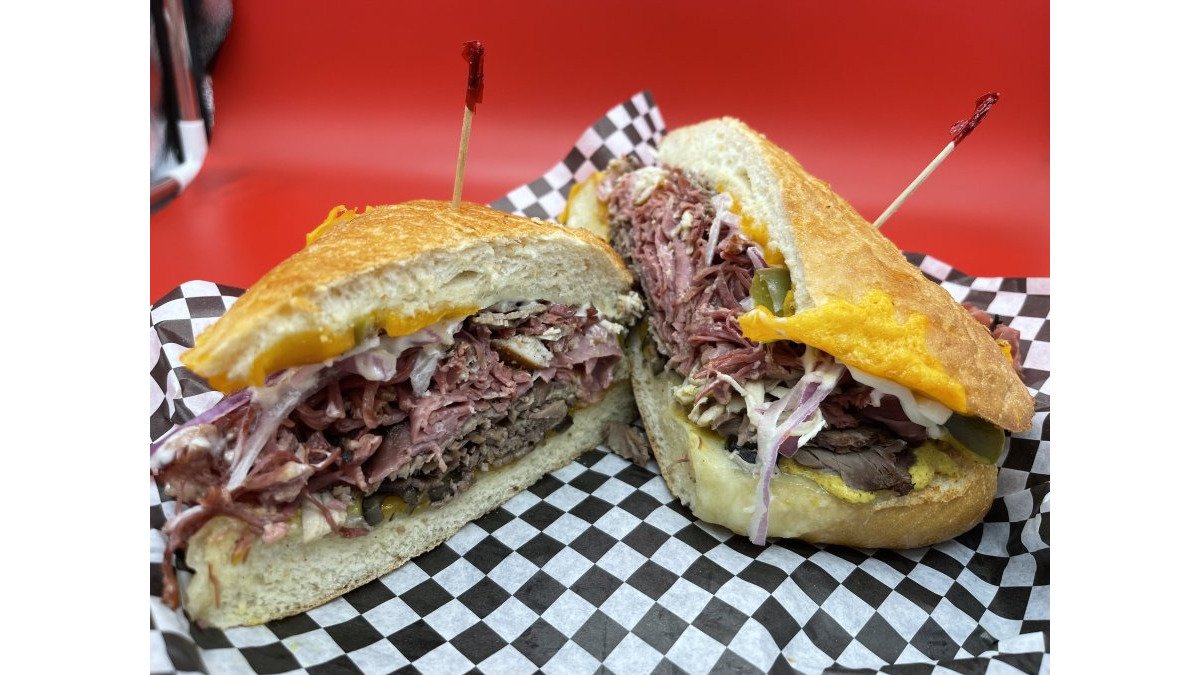
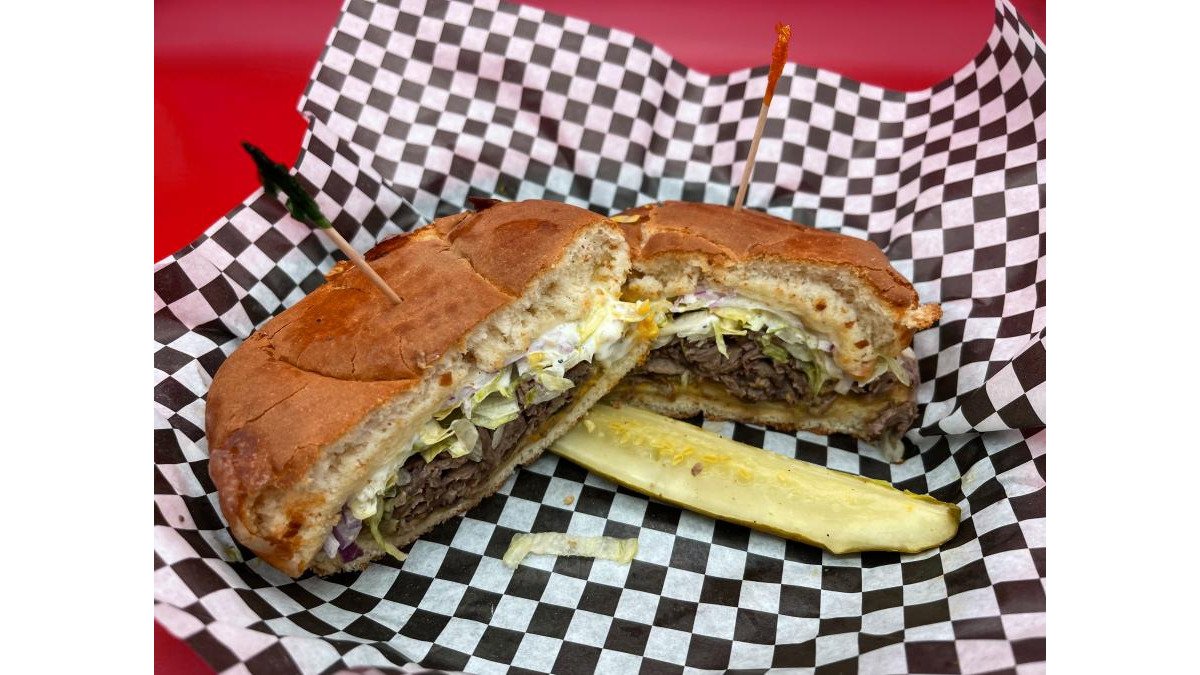
- A sandwich or sub option with real, freshly sliced meats
- A lighter choice like a salad or bowl
- One vegetarian option
- A side or two that does not need reheating
- Something sweet to finish
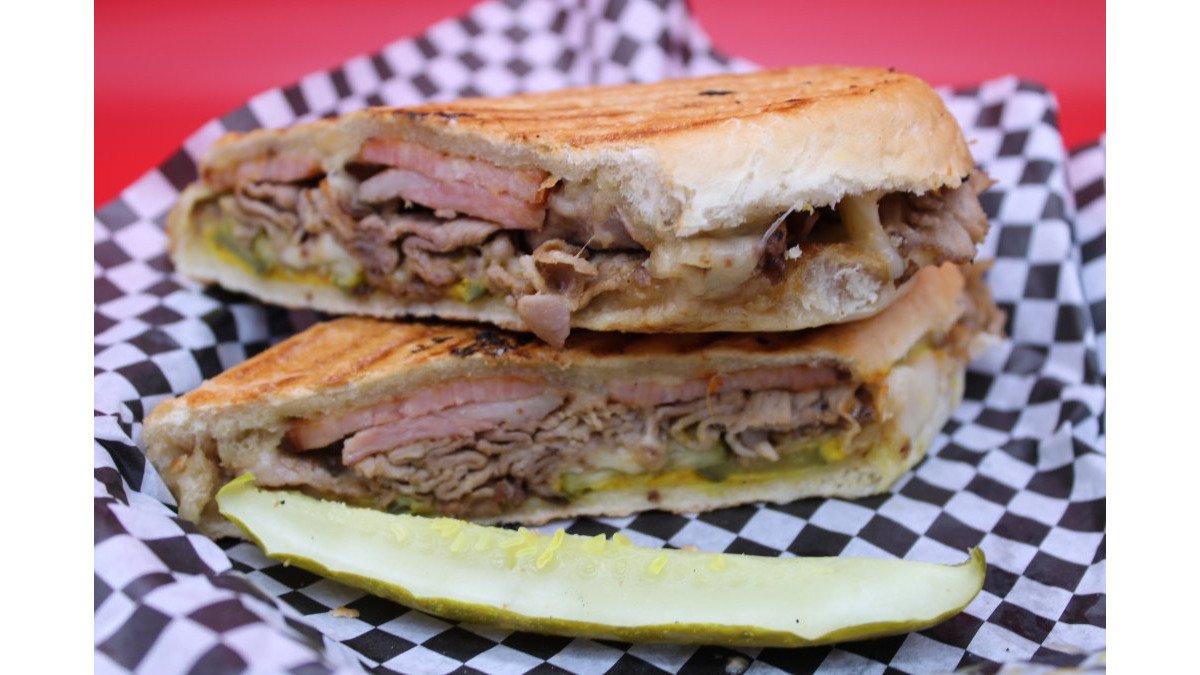
We build our menu around scratch-made food with no processed deli meats, made in house the way we would feed our own family. Our Cuban sandwich is the one people ask for by name, and it holds up well on a catering tray.
Feeding a large group is where catering really earns its keep. One order covers the whole team, arrives hot and fresh, and skips the thirty-minute debate about where to eat.
Build a Catering Dietary Restriction Checklist
A catering dietary restriction checklist keeps you from discovering a problem at the table. Collect dietary needs when you send the invite, not the day before.
Ask each guest about:
- Food allergies, especially nuts, dairy, gluten, and shellfish
- Dietary restrictions such as vegetarian, vegan, or halal
- Strong preferences the group should respect
- Any need for separate handling to avoid cross-contact
Label every item clearly at the table. A small card in front of each tray listing ingredients removes all the guessing. If you are unsure what is in a dish, ask the caterer for a full ingredient list before you order.
Food safety matters here too. Hot food should stay hot and cold food should stay cold, and anything sitting out for more than a couple of hours should be tossed. The USDA food safety guidance on the two-hour rule explains the time limits clearly.
Compare Caterers With a Practical Scorecard
A caterer comparison scorecard turns a gut feeling into a real decision. Score each provider from 1 to 5 on the things that actually affect your event, then weight the criteria that matter most to your meeting.
| Criteria | What to Check | Score (1-5) |
|---|---|---|
| Food quality | Fresh ingredients, made in house | |
| Menu variety | Options for every diet | |
| Reliability | On-time delivery history | |
| Flexibility | Custom orders, headcount changes | |
| Service level | Delivery, setup, cleanup | |
| Value | Portion size for the price |
Add up the scores and the choice usually makes itself. A caterer that scores high on food quality but low on reliability is a risk you do not need on a big day.
Ask These Questions Before You Book
The scorecard narrows the field. These questions separate a reliable caterer from a risky one:
- Allergen handling: How do you prevent cross-contact between dishes? Can you provide a full ingredient list for every item?
- Labeling: Will each tray arrive labeled with ingredients so guests can serve themselves safely?
- Temperature control: How is hot food kept hot and cold food kept cold during delivery and setup?
- Lead time: How many days ahead do you need the final headcount, and what is your cutoff for changes?
- Contingency: What happens if a delivery runs late or an item is unavailable?
- Leftovers: What is your guidance on food that has sat out, and how should we store what is left?
Food safety is not a detail you can wave off. Hot food should stay hot and cold food should stay cold, and anything sitting out for more than a couple of hours should be tossed. The USDA food safety guidance on the two-hour rule explains the time limits clearly.
What to Look For in a Local Caterer
Look for a local caterer who can answer those questions without dodging. Ask where the food is made, how they handle allergies, and what happens if your headcount changes the day before.
A few things separate a reliable caterer from a risky one:
- They give you a clear ingredient list when asked
- They confirm delivery timing in writing
- They carry enough stock for your order size
- They are a real, established local business you can visit
We are a locally owned shop, and we cook from scratch in house every day. That means we can tell you exactly what goes into your order, and we can handle custom requests without a runaround. If you need breakfast delivered early for a morning meeting, we cater breakfast too, with breakfast burritos, bagel sandwiches, and bowls, plus our own house-made salsa.
Plan for the Day-Of Curveballs
Even a well-scored caterer can hit a snag, so build a small contingency plan. Confirm the delivery window in writing and share a backup contact who will be on site. Keep a few shelf-stable backup items on hand in case a delivery runs late. If your headcount may grow, ask the caterer in advance whether they can add meals same-day. A two-minute plan prevents a two-hour problem.
Conclusion
Choosing office catering gets a lot easier once you lock the purpose, headcount, and budget before you look at a single menu. From there, portion planning, dietary checklists, and a simple scorecard do the heavy lifting.
Feeding a full team, a graduation party, or a morning meeting takes a caterer who shows up on time with food worth eating. Knuckle Sandwiches makes everything fresh and from scratch in house, with no processed deli meats, and we cater events of every size. Our breakfast burritos, bagel sandwiches, and bowls cover early meetings, and our house-made salsa and Cuban sandwich round out a menu people ask for again. Get started with Knuckle Sandwiches and give your next office lunch food your team will actually look forward to.
Frequently Asked Questions
What are common red flags with office catering companies?
Watch for vague ingredient sourcing, no clear allergen protocols, and inconsistent delivery windows. A caterer who cannot explain how they handle dietary restrictions or food safety is a risk. Also be wary of menus that rely heavily on processed deli meats and premade items, which often signal lower quality. Ask directly about scratch-made preparation, delivery reliability, and whether they carry insurance. If they dodge these questions, keep looking.
How do you determine the right amount of food for an office meeting?
Plan for 1.5 servings per person for a lunch meeting and 2 servings per person if the event runs over a meal period or includes heavy eaters. For sandwich platters, estimate 1.5 sandwiches per guest. Always order 10 percent extra to cover fluctuating headcounts and last-minute attendees. If your team has big appetites or the meeting follows a workout, bump that to 20 percent. Track what gets eaten after each event and adjust your next order.
How far in advance should you book office catering?
For a standard office lunch, book 48 to 72 hours ahead. For larger corporate events or breakfast delivery, give at least one week. If you need early morning delivery, confirm the caterer's cutoff time and delivery window in writing. During busy seasons like graduations or holidays, add extra buffer. A reliable caterer will confirm your order and arrival time, so you can plan your meeting schedule without guessing.
Why is choosing scratch-made catering better for office morale?
Scratch-made food signals that you value your team's experience, not just checking a box. When meals are fresh and made in-house without processed deli meats, people notice the difference in taste and feel more appreciated. That translates to higher attendance at meetings and better engagement. A caterer who makes their own salsa or breakfast burritos from scratch shows attention to detail that carries over into how your team feels about the company.