 listicle
Local Mom and Pop Restaurants: A 2026 Guide
Table of Contents
- What Counts as a Local Mom and Pop Restaurant?
- Finding Mom and Pop Restaurants Near Me in Mesa
- What to Look For in Local Sandwich Shops
- Why Scratch-Made Sandwiches Taste Different
- How Local Restaurant Catering Works for Office and Family Events
- How to Support Local Restaurants Without Wasting Your Budget
- Conclusion: Building Your Go-To List of Local Eats
- Frequently Asked Questions
Last Updated: October 8, 2026
What Counts as a Local Mom and Pop Restaurant?
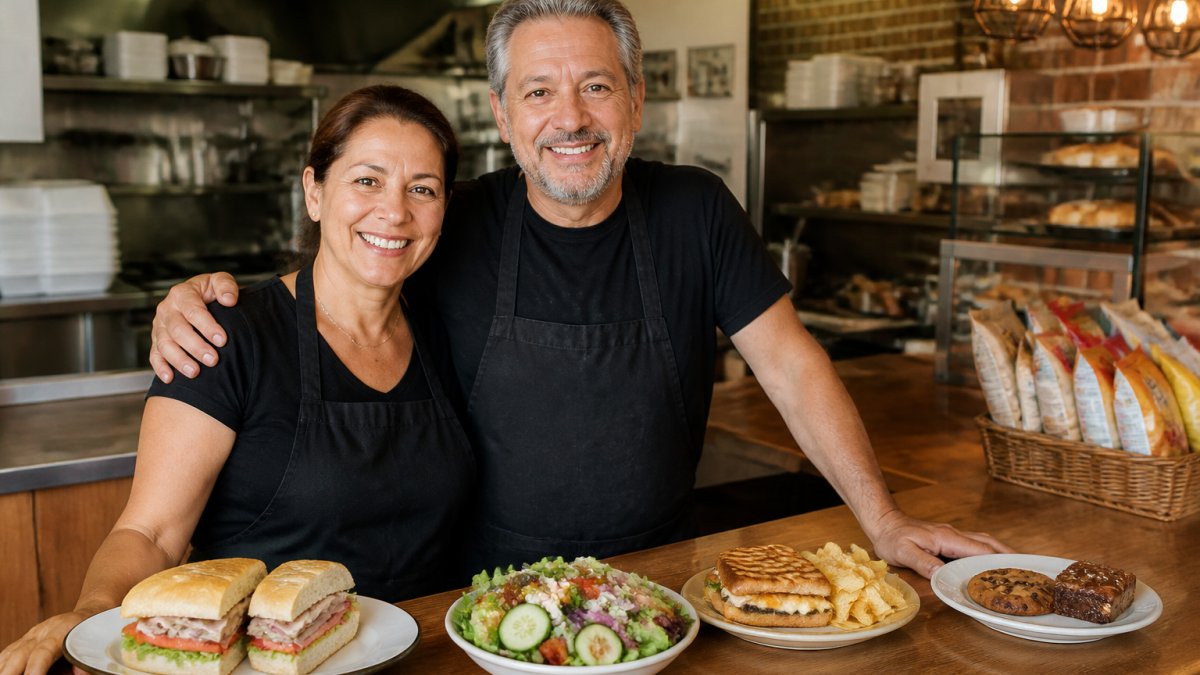
A local mom and pop restaurant is a small, independently owned food business where the owners are present in daily operations, the menu is built around scratch cooking, and the money spent stays in the neighborhood. This guide from Knuckle Sandwiches covers how to spot the real thing, where to find it, and how to make it a habit.
The definition matters: a "family" logo on a chain storefront does not make a business a mom and pop operation. Ownership does.
The Three Tests: Ownership, Scratch Kitchen, Community
We judge every candidate against three tests:
- Ownership: The owner works the counter, the grill, or the books. Decisions happen on site, not at a corporate office.
- Scratch kitchen: Food is prepared from raw ingredients daily, not reheated from a supplier's box.
- Community: The restaurant shows up for local schools, teams, and events, and regulars know the staff by name.
Fail two of the three and it is a chain wearing a local costume. Pass all three and you have found a genuine mom-and-pop operation.
Finding Mom and Pop Restaurants Near Me in Mesa
The fastest way to find mom and pop restaurants near you is to search by neighborhood rather than cuisine, then verify ownership and practical details before you commit to a drive. Verification is what separates a real find from a wasted trip.
East Mesa, Downtown, and the Surrounding Neighborhoods
East Mesa spreads out, so a targeted search beats a broad one, while downtown packs more independents into a few walkable blocks. Treat each area as its own search zone.
- Search "[cuisine] near me" plus a street or neighborhood name, not just the city.
- Filter review platforms by "independent" or "locally owned" tags where available.
- Check the Mesa Chamber of Commerce business directory for locally operated listings.
A directory helps, but feet on the ground still win. People drive past a scratch kitchen every day for a year without noticing it.
A Location Index You Can Actually Use
Most roundups mix national lists, city searches, and community posts, which makes them hard to act on. Build your own index by neighborhood instead:
| Zone | What to Expect | Best For |
|---|---|---|
| Downtown core | Highest density of independents, walkable blocks | Lunch breaks, quick solo meals |
| East Mesa corridors | Strip-mall kitchens, more parking, spread out | Family dinners, group orders |
| Residential edges | Small cafes and bakeries tucked near schools | Breakfast, coffee, weekend mornings |
Keep one running note per zone. When you find a winner, log the address, confirmed hours, and the dish you would order again. That note beats any generic list because it reflects places you have actually verified.
Verify These Details Before You Go
Practical details decide whether a trip works. Confirm these before you drive:
- Hours and current status: Call or check the restaurant's own page the same day. Small kitchens change hours around staffing and events, and third-party listings often lag.
- Price range: Note whether it is counter-service or table-service, since that changes the total for a group.
- Reservations: Many mom and pop spots do not take them. Ask whether walk-ins are fine at your target time.
A quick phone call covers all six and prevents the most common wasted trip.
What Qualifies, and How We Check It
The phrase "mom and pop" gets used loosely, so we treat a restaurant as genuine only when it passes the three tests above: the owner is present in daily operations, the kitchen cooks from scratch, and the business shows up for the neighborhood.
Verification is straightforward. Check the business registration or the owner's name on the storefront, look for the owner on site across more than one visit, and confirm the menu changes with what is available rather than staying fixed year-round.
Firsthand Reporting Beats Directory Listings
Community recommendations and directory listings rarely show evidence of an actual visit or the people behind the counter. When you find a spot you like, note who was working, what they recommended, and how long the business has operated. That context turns a name on a list into a place you trust.
What to Look For in Local Sandwich Shops
The best local sandwich shops share a few signals: a small menu, visible prep work, fresh bread, and meat sliced or cooked in-house rather than pulled from a processed deli pack. Those separate a real kitchen from a sandwich assembly line.
Here is what we check before we trust a new spot:
| Signal | What It Tells You |
|---|---|
| Short menu | Ingredients turn over fast, so food stays fresh |
| Open kitchen | You can watch sandwiches get built to order |
| House-roasted or sliced meat | No processed deli meat shortcuts |
| Daily bread delivery | Baking happens close by, not in a warehouse |
| Owner at the counter | Decisions get made on the spot |
A menu with 40 items usually means a freezer doing the cooking. A menu with 10 means a kitchen doing the work.
Why Scratch-Made Sandwiches Taste Different
Scratch-made sandwiches taste different because ingredients are prepared close to the moment you eat them.
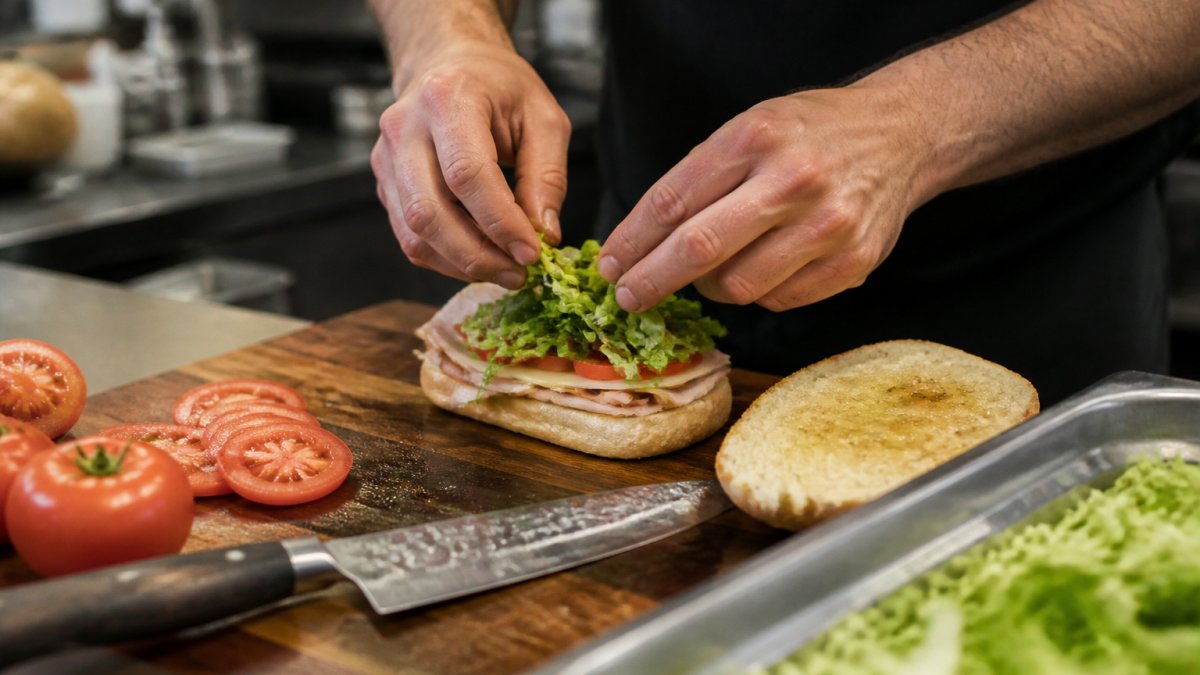
Processed deli meat is engineered for shelf life, not taste, picking up water, salt, and preservatives that dull everything around it.
The difference shows in small details: sauce made that morning tastes brighter, meat sliced to order stays juicy, and preservative-free bread has a crust that actually cracks.
This is the standard we hold at Knuckle Sandwiches.
How Local Restaurant Catering Works for Office and Family Events
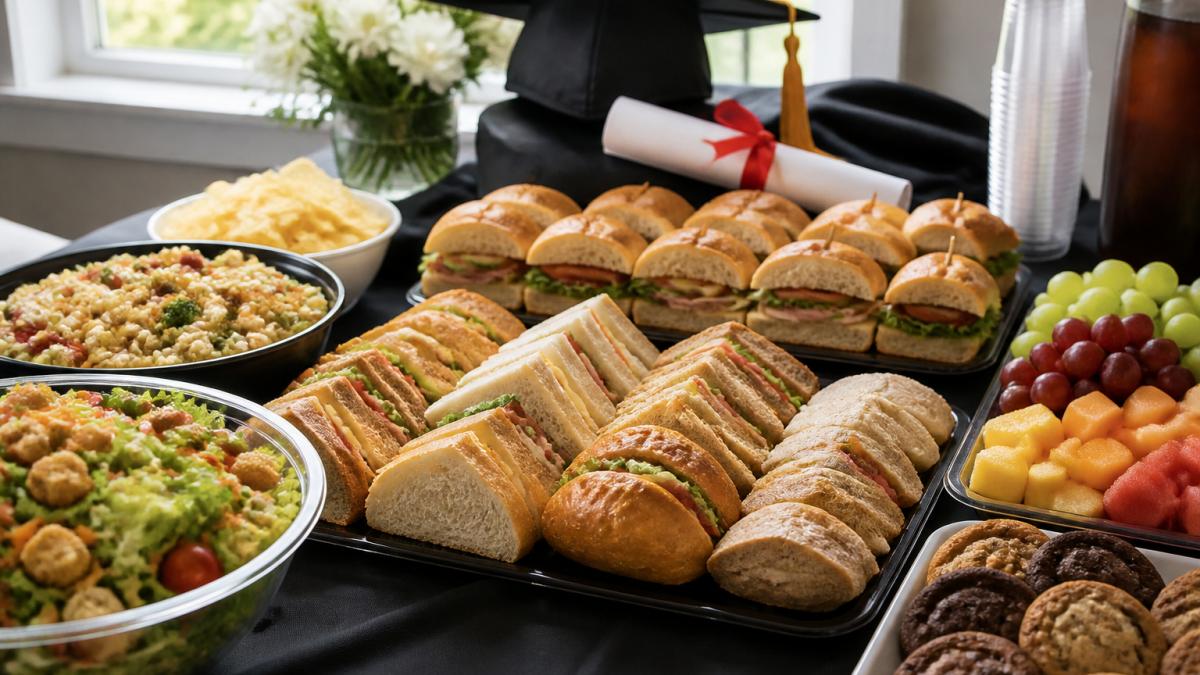
Local restaurant catering works by ordering directly from the kitchen that will prepare your food, usually with a set headcount, a delivery window, and a menu built around your group.
For office managers, the process looks like this:
- Pick a date and a headcount, then add a small buffer above your RSVP number.
- Choose a menu with two or three main options plus a vegetarian choice.
- Confirm the delivery window and who will receive the order on site.
- Share dietary needs and allergy details when you place the order, not on delivery day.
- Confirm setup needs: platters, serving tools, and labeling.
A locally owned kitchen can often adjust faster than a chain because the owner is the decision-maker. Pricing depends on quantity, dates, and delivery, so ask for a quote rather than guessing from a menu board.
Dietary Restrictions, Allergies, and Custom Orders
Custom orders work best when you give the kitchen specifics. Ask for ingredient lists, flag allergies clearly, and ask how the team separates prep to avoid cross-contact.
- Request written ingredient details for anything with a known allergen.
- Ask whether sauces and dressings are made in-house, since that affects what can be adjusted.
- Give a firm headcount at least a few days ahead so the kitchen can order properly.
- Confirm whether gluten-free or vegetarian items are prepared on separate surfaces.
Clear communication solves most catering problems before they start.
How to Support Local Restaurants Without Wasting Your Budget
Supporting local restaurants does not require spending more, just spending on purpose: eating there regularly, ordering directly, and choosing catering from an independent kitchen instead of a chain. Verify ownership before you spend, not after.
Spend Where the Owner Is the Decision-Maker
The practical difference between a chain and a mom and pop operation is who decides. At a locally owned kitchen, the owner can adjust a catering order, swap an ingredient, or accommodate a dietary need on the spot; at a chain, those decisions route through corporate.
Use the same three tests: ownership, scratch kitchen, and community. A restaurant that passes all three keeps more of your dollar in the neighborhood and responds faster when something changes.
Habits That Stretch a Budget Further
A few habits stretch a budget without cutting quality:
- Order pickup directly from the restaurant when you can, so more of the money stays with the business rather than a delivery platform.
- Split large entrees or order family-style for group lunches.
- Go for breakfast or lunch specials, which often cost less than dinner.
- Book catering early, since last-minute orders limit the kitchen's options and can raise the price.
The U.S. Small Business Administration notes that small businesses anchor local economies and employment, which is a practical reason to keep your food spending close to home. A weekly lunch order from an independent kitchen adds up over a year.
Match Your Spending to Dietary and Accessibility Needs
Budget-conscious eating and dietary needs are not in conflict, but they require asking the right questions. Most independent kitchens can adjust a dish when you give specifics, often cheaper than ordering a separate specialty item.
- Ask whether vegetarian, vegan, or gluten-free items are prepared on separate surfaces, and whether sauces and dressings are made in-house, since that affects what can be adjusted.
- Confirm accessibility details like step-free entry and accessible restroom access before booking a group meal.
- For family meals, ask about kid-sized portions and high chairs, which can reduce waste and cost.
Clear communication solves most ordering problems before they start and keeps you from paying for food your group will not eat.
The single biggest mistake is treating a local order like a chain transaction. Verify ownership first, ask about dietary and accessibility needs up front, and lock the headcount, menu, and delivery window early. That combination keeps your money local and your budget intact.
Conclusion: Building Your Go-To List of Local Eats
Building a reliable list of local eats takes a few weeks of deliberate choices: test one new independent spot at a time, apply the three ownership tests, and keep the winners.
That is where Knuckle Sandwiches fits. We are a locally owned sandwich shop built on scratch-made flavor, with no processed deli meats and no shortcuts.
Get started with Knuckle Sandwiches and build a go-to list of local eats that actually delivers.
Frequently Asked Questions
What is a mom and pop style restaurant?
A mom and pop restaurant is an independently owned, family-operated business, usually with one or two locations. The owners are often on site daily, the menu leans on family recipes, and the kitchen cooks from scratch rather than reheating processed food. You can spot one by asking who owns it, checking whether the menu changes with the seasons, and noticing whether staff know regulars by name. These places put a face and a family story behind every plate, which is what separates them from chains.
How do I find local mom and pop restaurants near me?
Start with a map search for your neighborhood plus the cuisine you want, then filter for businesses with a single location. Read recent customer reviews for mentions of the owner, homemade items, or signature dishes. Local food groups on social media and community boards often surface hidden gems that national directories miss. Once you find a few, visit at off-peak hours and talk to the staff.
What should I look for in a good local sandwich shop?
Look for bread baked or delivered fresh daily, meats sliced in-house rather than pulled from a processed deli pack, and a short menu that changes occasionally. A good sign is when the shop lists its ingredients or can tell you where its produce comes from. Watch how the kitchen handles custom orders; a scratch kitchen can adjust a sandwich without much fuss. Finally, check whether they offer catering or bulk orders, since that tells you they can handle a crowd, not just a lunch rush.
How can I order catering from a local restaurant?
Call or visit the restaurant at least a week before your event, and ask about their catering menu, minimum headcount, and delivery window. Share your guest count, any dietary restrictions, and whether you need setup or just drop-off. Ask what happens if an item runs out and how they handle late deliveries, so you know their backup plan. For morning meetings, confirm they can deliver by your start time. Pricing depends on quantity, dates, and delivery, so request a written quote before you commit.