 How-to
7 Ways to Skip Processed Meats in Your Sandwich
Last Updated: November 17, 2026
Quick Summary
Avoid processed meats in sandwiches by swapping deli slices for fresh proteins you cook and slice yourself, such as roasted chicken, canned tuna, hard-boiled eggs, or nut spreads. Read the ingredient list rather than front-of-package claims, and treat cured names like ham, salami, and bologna as processed.
- Roast a tray of chicken thighs and boil a dozen eggs in a Sunday prep block of about an hour.
- Cooked meat keeps three to four days in the fridge, according to USDA food safety guidance.
- Never leave a packed lunch at room temperature for more than two hours.
- Marketing words like premium, artisan, and deli-fresh carry no legal definition on labels.
- Hard-boiled eggs keep about a week in the shell in the fridge.
Table of Contents
- Why Swap Out Processed Meats in the First Place
- How to Spot Processed Meats on a Label
- Sandwich Alternatives to Processed Meat That Actually Taste Good
- Unprocessed Meats for Sandwiches: What to Cook and How to Use It
- Healthy Alternatives to Deli Meat for Every Kind of Eater
- Avoiding Processed Meats in Sandwiches for Lunch: A Weekly Prep Plan
- Ordering a Scratch-Made Sandwich Without the Shortcuts
- Frequently Asked Questions
Why Swap Out Processed Meats in the First Place
Avoiding processed meats in sandwiches is one of the simplest upgrades you can make to a weekday lunch, and it starts with understanding what you're actually eating.
The health conversation around deli meat centers on two things: sodium and nitrates. Regular servings of ham, bologna, and salami stack up salt fast, and cured meats commonly carry sodium nitrite as a preservative.
Here's the part most guides skip: the goal isn't to eat less meat. It's to eat meat you can actually identify. A roasted chicken breast you shred yourself has one ingredient.
If you want the deeper picture on how these risks add up and what you can do about them, our team put together a full breakdown on how to lower your risks of processed deli meats.
How to Spot Processed Meats on a Label
The fastest way to spot processed meat is to read the ingredient list, not the front of the package. Marketing words like "premium," "artisan," and "deli-fresh" carry no legal definition, so they tell you nothing about how the meat was made. The ingredient list is ordered by weight, which makes it a useful part of the label to check.
Product Names That Usually Mean Processed
Before you even flip the package, these common deli-counter names are almost always cured, salted, or smoked products:
- Ham, honey ham, and smoked ham, cured and often glazed
- Bologna, mortadella, and olive loaf, emulsified and cured
- Salami, pepperoni, and soppressata, fermented and cured
- Turkey breast "deli style," smoked turkey, and turkey ham, injected with brine and cure
- Roast beef cold cuts, corned beef, and pastrami, brined or cured
- Chicken roll and chicken loaf, formed and bound rather than carved
- Hot dogs, sausages, and lunch meat "loaves," chopped, salted, and preserved
A plain roasted or carved protein is different. If the label says roasted chicken breast and the ingredient list reads chicken and salt, that is a cooked product, not a cured one.
Ingredients That Signal Processing
Scan for these on any packaged meat:
- Sodium nitrite or sodium nitrate, curing agents used to preserve color and prevent bacteria
- Potassium lactate or sodium diacetate, shelf-life extenders
- Dextrose, corn syrup, or maltodextrin, added sugars for flavor and browning
- "Seasoning" or "flavorings," catch-all terms that can hide salt and additives
- Carrageenan or phosphates, binders that hold water in the meat
- Sodium erythorbate, a curing accelerator often paired with nitrite
A useful rule: if the ingredient list runs longer than the meat itself, treat it as processed.
Reading the Nutrition Panel Alongside the Ingredients
Ingredients tell you how the meat was made; the nutrition panel tells you what a serving delivers. Sodium is the number to watch on deli slices, since a few thin slices can carry a large share of a day's limit. Compare the sodium per serving against a plain roasted chicken breast you cook yourself, and the difference is usually obvious. USDA FoodData Central nutrition database is a free way to check sodium and additive levels in specific products before you buy. Comparing sodium per serving can also help you plan portions and use what you have on hand to reduce food waste.
A Quick Label Checklist
Run this in order at the store:
- Read the product name and ask whether it is a cured category (ham, salami, bologna) or a cooked one (roasted chicken, roast beef).
- Read the ingredient list and count the additives.
- Check sodium per serving on the nutrition panel.
- Ignore front-of-package claims until steps one through three are done.
That habit takes about thirty seconds per package and does more for your lunch than any single swap.
Sandwich Alternatives to Processed Meat That Actually Taste Good
The best sandwich alternatives to processed meat are fresh proteins you cook once and use all week: roasted chicken, canned tuna or salmon, hard-boiled eggs, and nut spreads.

Here are seven swaps worth trying:
- Rotisserie chicken, shred it, season it, and pile it on wholegrain bread with mustard
- Canned tuna or salmon, mix with a little mayonnaise, celery, and lemon
- Egg salad, boiled egg, mustard, and a touch of mayo; cheap, filling, and quick
- Peanut butter and jelly, the original budget-friendly sandwich
- Avocado and spinach, mashed avocado with lemon, spinach, and cheese on toast
- Canned chicken, a pantry backup for barbecue chicken sandwiches in minutes
- Grilled cheese with tomato, simple, hot, and satisfying without a single deli slice
Unprocessed Meats for Sandwiches: What to Cook and How to Use It
Unprocessed meats for sandwiches come down to three reliable options: chicken, beef, and pork, all cooked at home and sliced or shredded yourself. A whole roasted chicken or a batch of shredded beef on Sunday covers lunches through Wednesday.
Chicken is the easiest starting point. Roast thighs or breasts with salt, pepper, and paprika, then slice thin. Barbecue chicken works the same way, shredded and tossed with sauce. For beef, a slow-cooked chuck roast shreds beautifully for hot sandwiches. Pork loin roasted and sliced beats any packaged ham.
Healthy Alternatives to Deli Meat for Every Kind of Eater
Healthy alternatives to deli meat stretch well beyond chicken and tuna, which matters when you're feeding a group with different diets. Plant-based options, egg-based fillings, and dairy-forward sandwiches all pull their weight.
- Plant-based: chickpea salad, roasted vegetables with hummus, black bean smash with avocado
- Egg-based: egg salad, sliced hard-boiled egg with spinach and mustard
- Dairy-forward: fresh mozzarella with tomato and basil, cottage cheese with pepper
- Nut-based: peanut butter, almond butter, or sunflower seed butter for allergy-safe schools
Vegetarian and Allergy-Aware Fillings
Vegetarian fillings are easy to build around protein plus texture. Chickpeas mashed with lemon and olive oil mimic the richness of tuna salad. Roasted portobello slices give a meaty bite.
Allergies need more care. Nut-free schools rule out peanut butter, so sunflower seed butter is one swap to consider. For gluten concerns, use wholegrain or gluten-free bread and check condiment labels. Cross-contamination is the real risk in shared kitchens, so ask how fillings are prepped separately. We wrote a full guide on how to plan catering that handles food allergies safely if you're organizing for a group.
Avoiding Processed Meats in Sandwiches for Lunch: A Weekly Prep Plan
Avoiding processed meats in sandwiches for lunch gets easy once you batch-cook on Sunday. Cook protein once, prep vegetables once, and assemble fresh each morning in under five minutes. This is the part most guides skip: a repeatable weekly system with storage and packing built in, not just a list of swaps.
The Sunday Prep Block
Set aside about an hour. Roast a tray of chicken thighs or breasts with salt, pepper, and paprika. Boil a dozen eggs. Wash and dry spinach or lettuce and store it with a paper towel in a container. Slice tomato and cucumber for the first few days only, since cut vegetables soften fast. Cook a pot of rice or quinoa if you like grain bowls as a backup.
The Week at a Glance
| Day | Protein | Build | Prep Time |
|---|---|---|---|
| Sunday | Roast chicken thighs, boil eggs | Shred chicken, peel eggs, wash spinach | 45 min |
| Monday | Shredded chicken | Wholegrain bread, avocado, spinach | 5 min |
| Tuesday | Egg salad | Wrap with tomato and mustard | 5 min |
| Wednesday | Canned tuna | Salad greens, lemon, olive oil | 5 min |
| Thursday | Rotisserie chicken | Panini with cheese and salsa | 6 min |
| Friday | Peanut butter and jelly | Wholegrain bread, banana slices | 3 min |
Prep Time
Packing So It Survives the Commute
Pack hot and cold items separately. Use an insulated bag with an ice pack for cold sandwiches, and a thermos for hot fillings. Keep wet ingredients like tomato and dressing in a small separate container and add them at lunch so the bread does not go soggy. Label containers with the date so nothing gets forgotten at the back of the fridge. A common pattern is to assemble the sandwich dry in the morning and pack the moist components alongside.
Food Safety and Storage Basics
Cooked meat keeps three to four days in the fridge, according to USDA food safety guidance. Keep it below 40°F, cool it fast after cooking, and never leave a packed lunch at room temperature for more than two hours. Hard-boiled eggs keep about a week in the shell in the fridge. Tuna salad and egg salad are best mixed the night before or the morning of, not days ahead.
Cost and Convenience, Roughly
Prepping lunches at home lets you control the ingredients. The trade-off is the Sunday hour and a little fridge space. If you want more ideas, our list of quick healthy lunches for work that beat takeout has you covered.
When You Would Rather Not Prep
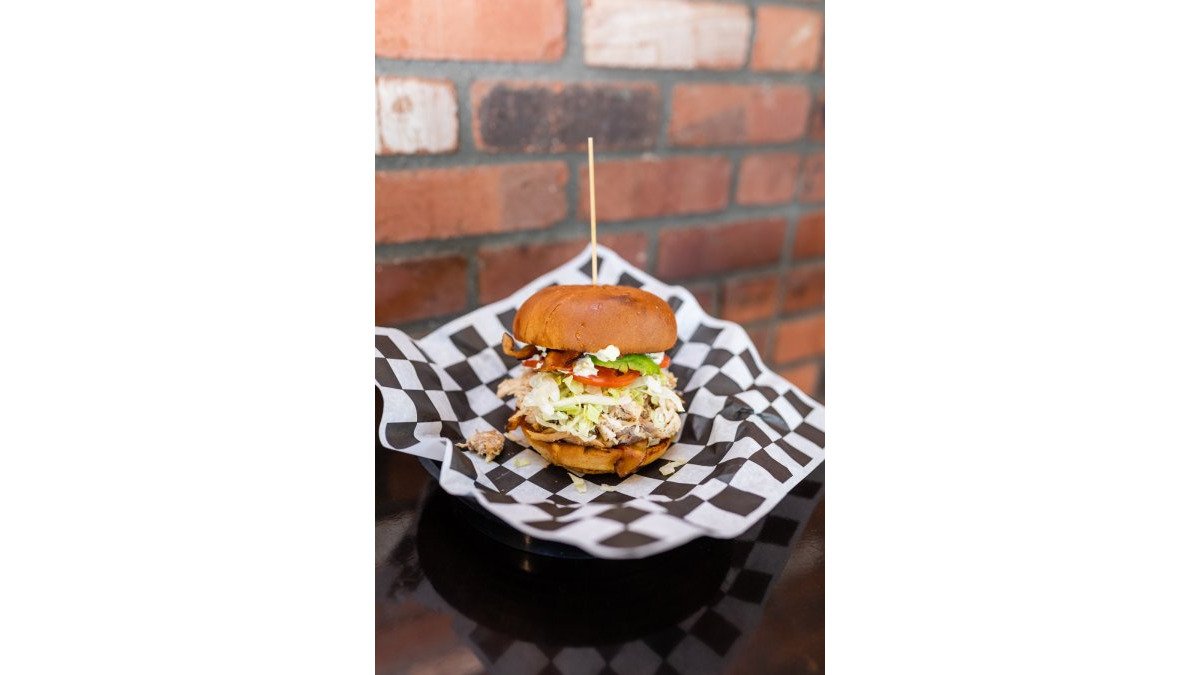
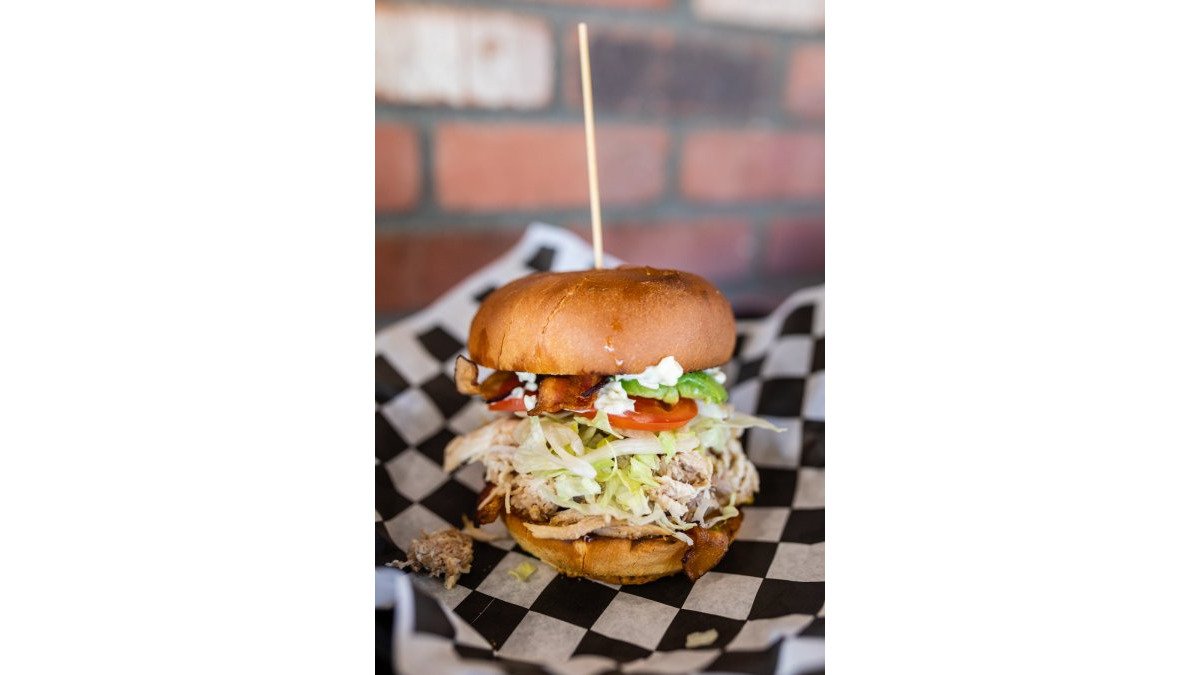
Some weeks the prep block does not happen, and that is fine. We make our sandwiches fresh and scratch-made in house, we make our own salsa, and we do not use processed deli meats. We do breakfast too, with breakfast burritos, bagel sandwiches, and bowls, and our catering is a good option to feed a lot of people when a whole office or team needs lunch.
Ordering a Scratch-Made Sandwich Without the Shortcuts
Ordering a scratch-made sandwich means you can skip the label-reading entirely and still avoid processed meats. At Knuckle Sandwiches, we build every sandwich from fresh ingredients, made from scratch in house, with no processed deli meats.
Our menu covers sandwiches, paninis, subs, and salads, plus homemade desserts, all available for quick pickup or delivery to your home or office.
Feeding a crowd? If you're ready to taste the difference, explore the real benefits of scratch-made meals for busy people, or find quick pickup lunch spots worth the trip and see why locals keep coming back.
The challenge is simple: most lunch options force you to choose between speed and real food. You don't have to.
Frequently Asked Questions
Are there any sandwich meats that are not processed?
Yes. Freshly cooked chicken, turkey, roast beef, and pork are unprocessed meats for sandwiches as long as you cook and slice them yourself. Rotisserie chicken, roasted turkey breast, and leftover steak all work. The key is buying raw meat and cooking it at home or ordering from a shop that roasts and slices in house. Avoid anything labeled cured, smoked, canned, or with added nitrates, since those go through processing before they reach your bread.
What can I put in a sandwich instead of processed meat?
Canned tuna or salmon mixed with a little mayonnaise, sliced boiled egg with mustard, peanut butter and banana, mashed chickpeas with tahini, or sliced avocado with spinach and cheese all make satisfying sandwich alternatives to processed meat. Rotisserie chicken or barbecue chicken from a fresh roast adds lean protein without the additives. Layer in crunch from cucumber, lettuce, or pickles, and use mustard or hummus instead of heavy sauces to keep it bright.
What are some healthy alternatives to deli meat?
Healthy alternatives to deli meat include freshly roasted chicken or turkey, canned salmon or tuna, boiled eggs, and plant-based options like chickpeas, lentils, or tofu. Pair them with wholegrain bread, spinach, avocado, and a little mustard for a balanced sandwich. Reading labels helps you compare sodium and ingredient lists when you do buy packaged proteins.
Can you use freshly cooked chicken in a sandwich instead of deli meat?
Absolutely. Freshly cooked chicken is one of the best unprocessed meats for sandwiches. Roast a whole chicken or several breasts at the start of the week, cool it, slice it, and store it in the fridge for up to three days. Pull it apart for a salad-style filling with mayonnaise and celery, or layer slices with spinach, tomato, and mustard. You control exactly what goes into it.