 How-to
7 Reasons Fresh Ingredients Make Catering Better
Last Updated: November 7, 2026
Quick Summary
Fresh ingredients make catering better because they still carry the natural juices, crisp texture, and real aroma that processing strips out, so guests notice the difference in the first bite. At Knuckle Sandwiches, we build our catering menu around food made from scratch in house, with no processed deli meats and no shortcuts.
- Fresh ingredients taste different because processing strips out natural juices, crisp texture, and real aroma.
- Build your menu around seasonality: tomatoes and peppers in summer, hearty greens and roasted vegetables in cooler months.
- Ask caterers whether meats are sliced in house or bought pre-sliced before you book.
- Ask which sauces, dressings, and salsa are made in house, and request a sample platter.
- Our breakfast lineup includes breakfast burritos, bagel sandwiches, and bowls, plus house-made salsa.
Table of Contents
- Why Fresh Ingredients Matter More at Events Than in a Restaurant
- Fresh Ingredients Taste Different, and Guests Notice
- The Nutritional Value You Lose With Processed Foods
- Healthy Catering Options for Events Guests Actually Eat
- Catering Food Safety Practices That Start With Freshness
- Office Lunch Catering Ideas That Skip the Deli Counter
- Fresh Breakfast Catering for Early Meetings and Big Crowds
- How to Verify a Caterer Really Cooks From Scratch
- Frequently Asked Questions
Why Fresh Ingredients Matter More at Events Than in a Restaurant
Fresh ingredients matter more at events because there is no second chance. In a restaurant, a guest can send back a plate or order something else. At a catered lunch, a graduation party, or an early morning meeting, the food is the whole experience. That raises the stakes on every tomato, every slice of meat, and every batch of salsa.
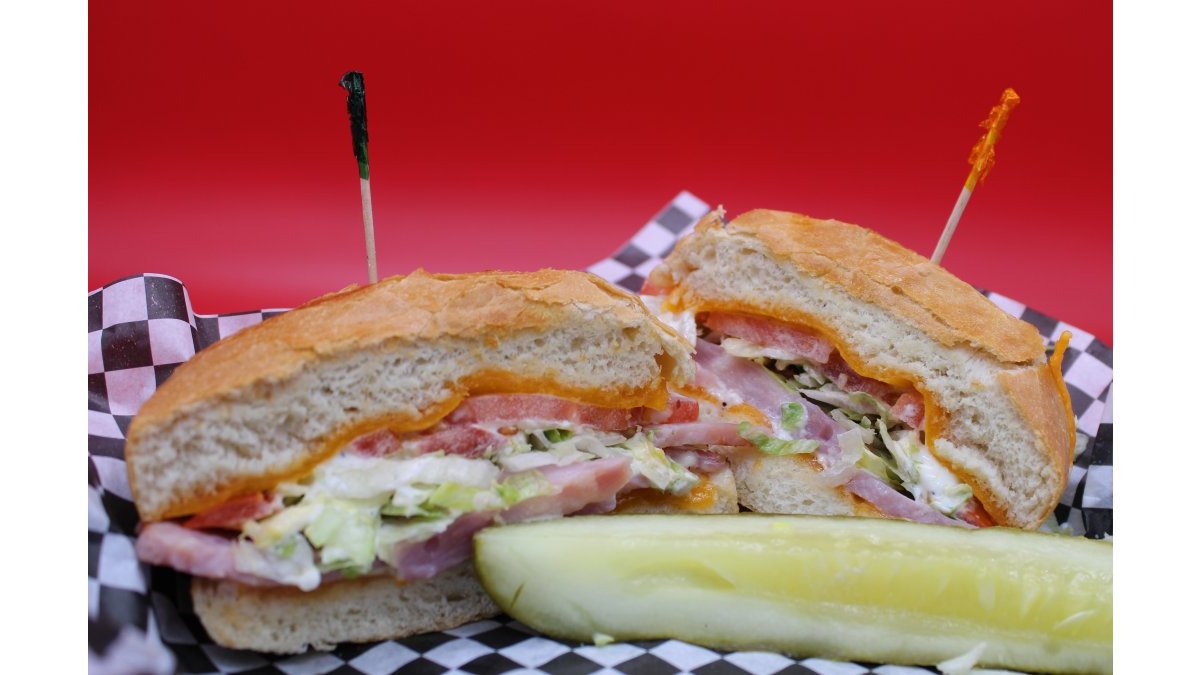
At Knuckle Sandwiches, we build our catering menu around food we make from scratch in house. No processed deli meats. No shortcuts. That choice matters most when we are feeding a crowd, because a room full of people will notice the difference in the first bite.
Below, we explain why fresh ingredients make catering better, and how to spot the difference before you book.
Fresh Ingredients Taste Different, and Guests Notice
Fresh ingredients taste different because they still carry what processing strips out: natural juices, crisp texture, and real aroma. A tomato sliced the same morning tastes sweet and bright. A tomato that traveled in a box for a week tastes like nothing. That vivid sweetness and crispness are easier to preserve when locally sourced ingredients travel less before they reach the kitchen.
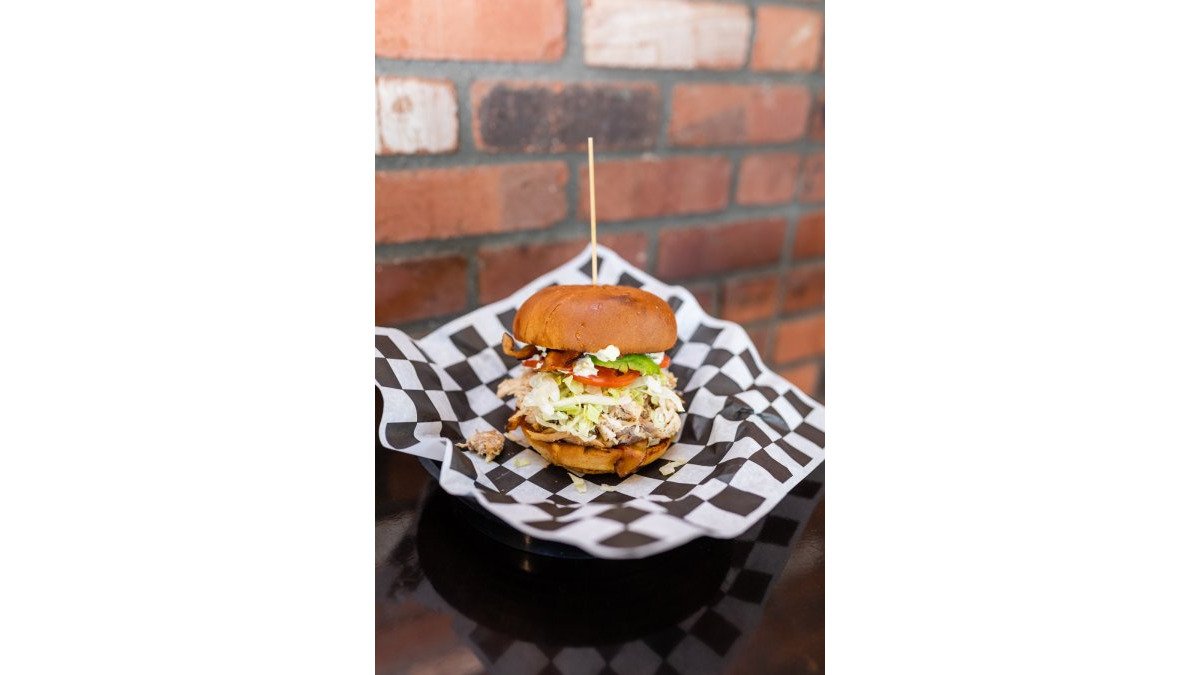
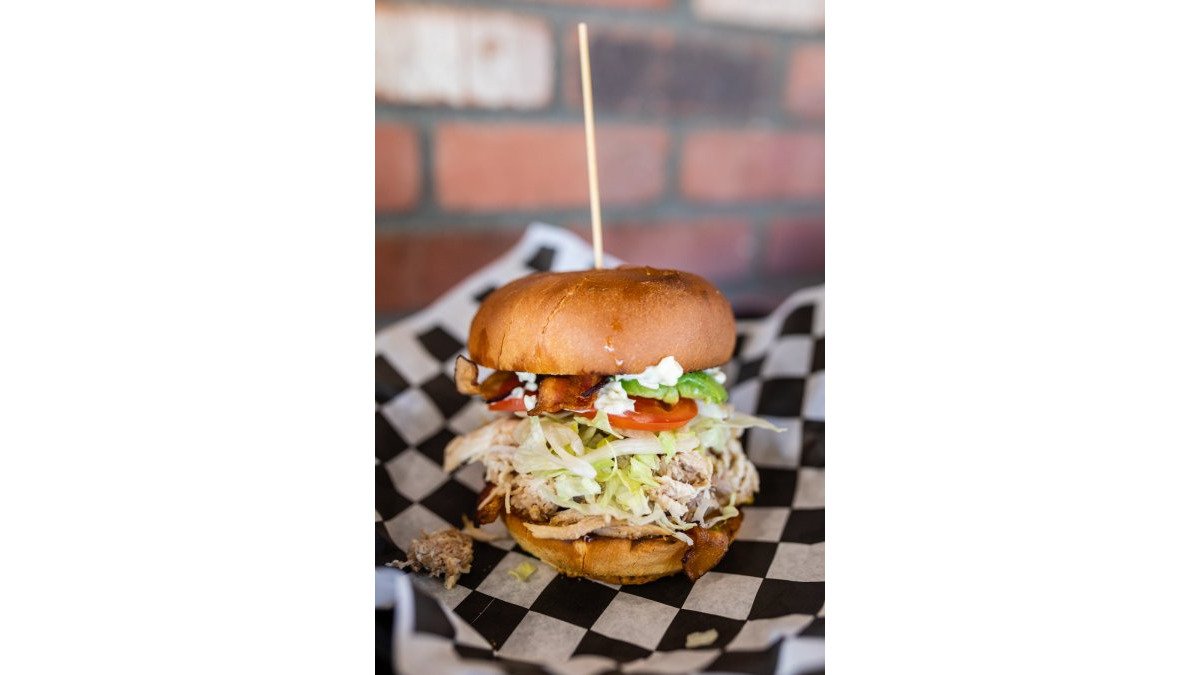
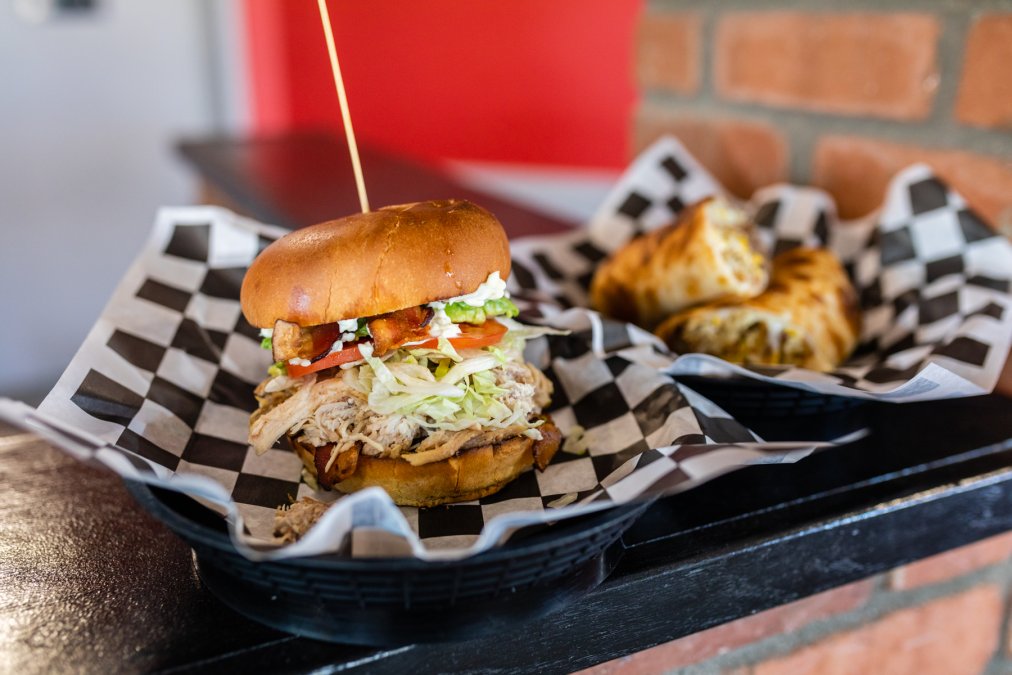
That difference shows up fast on a sandwich. Crisp lettuce crunches. Fresh bread holds its shape. House-made salsa has a bright, clean finish instead of a flat, salty one.
The Nutritional Value You Lose With Processed Foods
Processed deli meats are a good example. They are convenient and cheap, but they are a different product from meat that is cooked and sliced in house. If you want to go deeper on this, read our guide on how to lower your risks of processed deli meats.
Healthy Catering Options for Events Guests Actually Eat
Healthy catering works when it still tastes good. A plate of plain vegetables gets ignored. A well-built sandwich, a fresh salad, and a bowl of house-made salsa gets cleared.
Here is what to look for in a catering menu:
- Scratch-made proteins cooked and sliced in house, not pulled from a deli case
- Fresh produce added close to serving time, not days before
- House-made sauces and salsa so you control what goes in
- Variety across sandwiches, paninis, salads, and subs so every guest finds something
- Portion sizes that actually fill people up
If you are planning an event and want menu ideas, our list of healthy catering options for events covers fresh, made-to-order picks you can book.
Building a Menu Around Seasonality and Produce
Plan your menu around what is good right now. In summer, build around tomatoes and peppers. In cooler months, lean on hearty greens and roasted vegetables. Your guests get better flavor, and you cut waste from produce that was never going to taste great.
Catering Food Safety Practices That Start With Freshness
Here is how the cold chain and the hot line actually work on a catering job, step by step.
Office Lunch Catering Ideas That Skip the Deli Counter
Office lunch catering ideas should not default to a tray of processed meat and a stack of bread. Your team eats this food at their desks, in meetings, and between tasks. It should give them energy, not a heavy crash.
Here is how we would plan an office lunch:
- Build-your-own sandwich platters with fresh-sliced proteins and crisp toppings
- Paninis pressed and delivered hot
- Salads with house-made dressings on the side
- Subs cut to order for a crowd
- House-made salsa and chips as a shared starter
- Home-made desserts to close it out
For team meetings specifically, our guide to catering for team meetings breaks down options that work beyond the deli counter.
Fresh Breakfast Catering for Early Meetings and Big Crowds
Fresh breakfast catering solves a real problem: early meetings need food that shows up on time and holds up.
We do breakfast. Our lineup includes:
- Breakfast burritos wrapped and ready to grab
- Bagel sandwiches built to order
- Bowls for guests who want something lighter
- House-made salsa to add real flavor
If you are booking office breakfast, our guide to office breakfast catering walks through how to order for your meeting.
How to Verify a Caterer Really Cooks From Scratch
Ask direct questions and ask for proof. "Scratch-made" is easy to print on a website. It is harder to back up.
Use this checklist before you book:
- Ask what meats they use and whether they slice in house or buy pre-sliced
- Ask which sauces, dressings, and salsa are made in house
- Ask where produce comes from and how close to the event it is prepped
- Ask for a sample tasting or a sample platter
- Ask how they handle dietary restrictions and allergies
- Ask what happens if an order runs short or arrives late
- Ask how long they have operated locally
If you want to order with confidence, our guide on ordering scratch-made sandwich catering online shows what to check before you place the order.
Use these direct questions to confirm a caterer is actually cooking from scratch before you book.
| What to ask | What to look for |
|---|---|
| Meats used | Sliced in house, not bought pre-sliced |
| Sauces, dressings, salsa | Made in house |
| Produce sourcing | Where it comes from and how close to event it is prepped |
| Proof of quality | Sample tasting or sample platter |
| Dietary needs | How restrictions and allergies are handled |
| Order problems | What happens if an order runs short or arrives late |
| Local experience | How long they have operated locally |
Planning catering for a team lunch, a graduation, or an early meeting comes down to one question: do you want food made from scratch or food pulled from a box? At Knuckle Sandwiches, we make our food fresh in house, from breakfast burritos and bagel sandwiches to bowls, salads, paninis, and our Cuban sandwich. We cater events of every size, and we make our own salsa. Get started with Knuckle Sandwiches and give your guests a meal that actually tastes like someone cared.
Frequently Asked Questions
Why are fresh ingredients important in catering?
Catered food sits out, travels, and gets eaten hours after it is made.
How can you tell whether a caterer uses fresh ingredients?
Ask three questions. First, what is made in house versus bought pre-sliced or pre-portioned. Second, how far ahead is the food prepared before your event date. Third, can they walk you through the ingredient list for a specific item. A caterer using fresh ingredients can answer all three without hedging. Look at the food itself too: vibrant colors, distinct textures, and a clean aroma are hard to fake with processed product.
What are good fresh catering options for an office meeting?
Build the order around sandwiches, paninis, salads, and subs, plus house-made salsa. Add breakfast burritos, bagel sandwiches, or bowls if the meeting starts early.
Can fresh catering accommodate different dietary needs?
Ask for ingredient details for anything you order, and flag allergies when you book rather than on delivery day.