 blog
Best Catering for Team Meetings: 7 Options That Work
Last Updated: October 23, 2026
Quick Summary
The best catering for team meetings is protein-forward food that travels well and serves cleanly, like breakfast burritos, bagel sandwiches, bowls, sandwich trays and boxed lunches. Match the format to the meeting type, order one main per person plus a buffer, and confirm headcount 48 hours out.
- Breakfast burritos, bagel sandwiches and bowls beat pastries because they hold up in transit and keep the room full.
- Order one main item per person, then add about 10 percent extra for groups of 10 to 25.
- Ask every caterer for food cost, delivery fee, service charge and whether tax and gratuity are included.
- Book breakfast deliveries first, since morning slots fill fastest of any meal.
- Confirm headcount and dietary changes with the caterer 48 hours before the meeting.
Table of Contents
- What Makes Catering Work for Team Meetings
- Office Catering Ideas That Fit the Agenda
- Breakfast Catering for Office Meetings: Start Strong
- Sandwich Catering for Groups: The Reliable Core
- How to Choose Office Catering Without Guesswork
- Per-Person Pricing and Budget Planning
- Ordering Timelines and Quantity Planning
- Frequently Asked Questions
What Makes Catering Work for Team Meetings
Good catering for team meetings comes down to three things: food that arrives on time, portions that match the headcount, and a menu that doesn't derail the agenda. At Knuckle Sandwiches, we've built our catering around those basics.
Breakfast catering for office meetings is the format most teams underestimate. Coffee alone loses the room by 10 a.m.; a protein-forward breakfast holds attention through the second hour.
The best catering for team meetings travels well, serves cleanly, and lets people eat without stopping the conversation.
Office Catering Ideas That Fit the Agenda
The right office catering ideas depend on what the meeting is doing: a training day needs steady energy, a client presentation needs something that looks considered, and a working lunch needs food people can eat one-handed. Beyond the menu, the atmosphere of a productive session is often anchored by the quality of the premium office coffee served alongside the meal.
Here's how we'd match formats to the room:
| Meeting Type | Best Format | Why It Works |
|---|---|---|
| Morning standup or training | Breakfast burritos, bagel sandwiches, bowls | Protein-forward, easy to hold, no plates needed |
| All-day workshop | Sandwich trays plus shareable sides | Grazers eat when they're hungry, not on a schedule |
| Client presentation | Individually boxed lunches | Clean, uniform, no serving line |
| Team celebration | Full spread with desserts | Feels like an event, not a break room |
| Large all-hands | Catering trays by headcount | Scales fast, minimal setup |
Formats by Meeting Type
Boxed lunches win for anything under two hours with a fixed start time. Everyone gets the same thing, nobody waits, and the meeting restarts immediately.
Catering trays and sandwich platters suit longer sessions where people drift in and out.
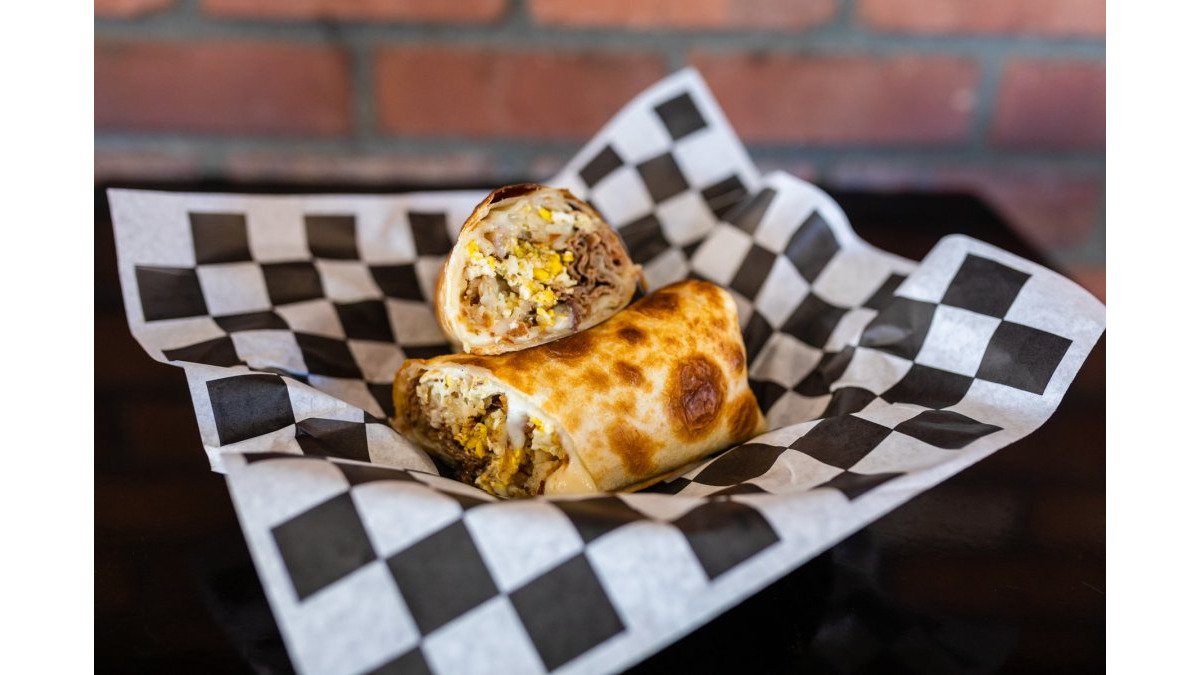
Breakfast is its own category. Breakfast burritos, bagel sandwiches, and bowls beat pastries because they hold up in transit and don't leave the room hungry an hour later.
Breakfast Catering for Office Meetings: Start Strong
Breakfast is where most offices settle for donuts and regret it. A morning meeting runs on sustained energy, and savory, protein-heavy food delivers it where sugar spikes don't.
We do breakfast catering as a core part of what we make, not an afterthought. Breakfast burritos, bagel sandwiches, and bowls travel well and hold temperature, which matters for an 8 a.m. delivery across town.
Order breakfast for the full headcount plus a small buffer. Morning meetings run long, and the person who skipped breakfast at home will take a second item; running out is remembered for months.
Sandwich Catering for Groups: The Reliable Core
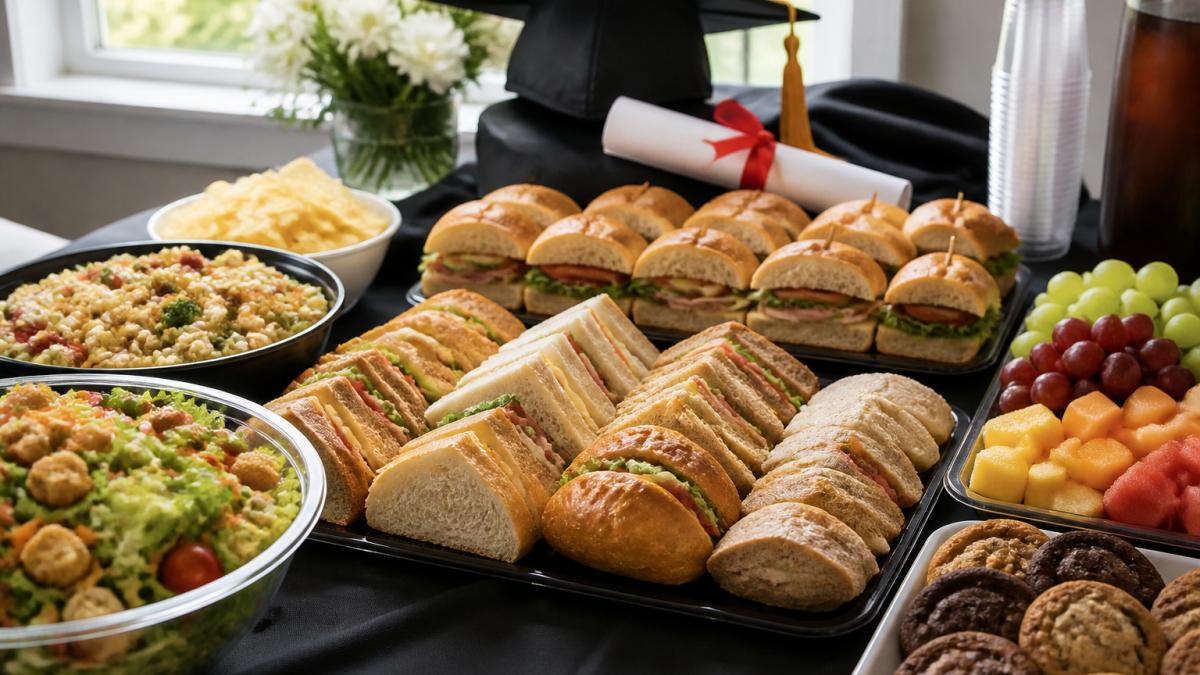
Sandwich catering is the backbone of group meals because it scales without drama: a spread feeds a mixed room, travels well, and needs no serving line or staff.
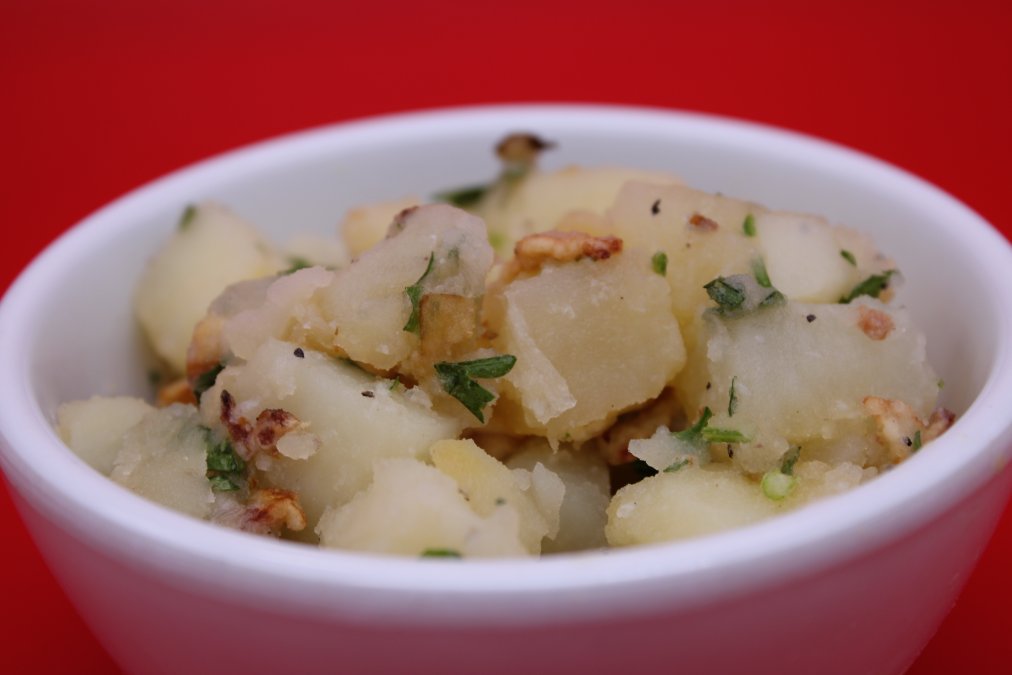
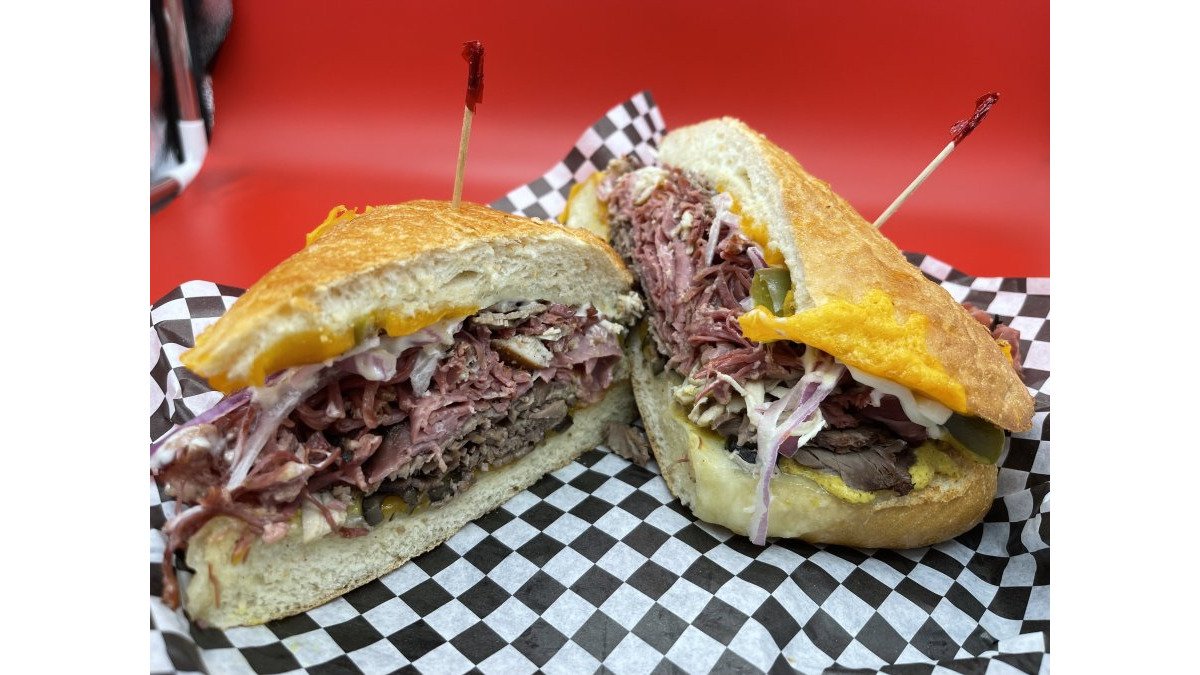
What most guides miss is that the sandwich itself is where quality shows.
Comparing our prices to other sandwich shops, we cost about the same, sometimes less once you account for what's actually on the plate.
What to Order by Headcount
Portion planning gets easier with a simple rule. Order one main item per person, then add a buffer for larger groups.
- Under 10 people: one sandwich or boxed lunch each, plus one shareable side for every four people
- 10 to 25 people: one main per person plus 10 percent extra, two side options, and a dessert tray
- 25 to 50 people: catering trays sized by headcount, three side options, and a dedicated drop-off
How to Choose Office Catering Without Guesswork
Choosing office catering is a short checklist, not a research project. Confirm four things before you book: delivery reliability, ingredient transparency, dietary handling, and meeting-room packaging.
Start with the menu's honesty. Ask what's actually in the food.
Then ask about the delivery window.
Finally, visit before you order for a group. A locally owned shop you can walk into is a different level of accountability than a call center.
Dietary Needs and Allergen Safety
Dietary planning should happen before the order, not in the serving line. Ask every attendee for restrictions when you send the meeting invite, and collect answers in one place.
- Vegetarian: salads, veggie paninis, and cheese-forward options cover most rooms
- Gluten avoidance: ask what bread alternatives are available and how items are handled
- Allergies: request a full ingredient list for anything you order, and flag the specific allergen when you place the order
A caterer who can't produce an ingredient list for a dish is telling you something. For a team with serious allergies, that's a reason to keep looking.
Per-Person Pricing and Budget Planning
Most meeting catering guides dodge the money question, listing menu ideas and skipping the budget you have to defend to a manager. Here's a repeatable way to estimate cost per person and compare quotes apples to apples.
The Four Cost Drivers
Every catering quote is built from the same four levers. Understand them and you can predict where a quote will land before you call.
- Headcount. Per-person cost drops as the group grows because fixed costs (delivery, setup, tray packaging) get spread across more people. A 10-person order carries a much higher per-person share of delivery than a 60-person order.
- Menu complexity. A single main item per person is the cheapest format. Adding shareable sides, a dessert tray, and a second protein raises the per-person figure in steps, not gradually.
- Format. Individually boxed meals cost more per person than bulk trays because of packaging and labor. Trays are the budget-friendly choice for large rooms; boxes are the premium choice for client-facing meetings.
A Sample Budget Framework
You don't need a published price list to budget. Build the estimate in layers:
- Set a per-person food ceiling based on your company's meeting meal policy or the approval you have.
- Pick the format that fits the room, trays for large all-hands, boxes for client presentations.
- Add sides and a dessert only if the ceiling allows. Sides stretch a spread but raise the total.
- Add delivery and any service charge as a separate line, not folded into the food number.
- Add a small buffer for a few extra attendees, then compare the total against your ceiling.
Treat food, delivery, and service as three separate budget lines; teams that lump them together are the ones surprised at checkout.
Comparing Quotes Apples to Apples
Two quotes for the same headcount can differ widely once normalized. Ask every caterer for the same four numbers in writing:
- Total food cost for the confirmed headcount
- Delivery fee and any minimum order requirement
- Service charge or staffing fee, if any
Then divide the all-in total by headcount to get a true per-person figure. A quote that looks cheaper on the menu line often loses once delivery minimums and service charges are added.
Where Our Pricing Lands
We quote each order against your headcount and menu rather than publish a flat per-person rate, because a 12-person breakfast and a 60-person lunch spread are different jobs.
For teams feeding a lot of people, our catering trays bring the per-person cost down as headcount rises, which is the same lever every caterer uses. The difference is what that money buys.
Budget by Meeting Type
- Breakfast meeting: one substantial item per person (breakfast burrito, bagel sandwich, or bowl) plus a small buffer. Skip the pastry-only spread; it costs less but leaves the room hungry.
- Working lunch: one main per person plus shareable sides sized to the group. Sides are the cheapest way to stretch a spread.
- Client presentation: individually boxed meals cost more per person but deliver a clean, uniform look.
Ordering Timelines and Quantity Planning
Ordering is where good meeting catering is won or lost. Get the lead time and quantity right and the food simply works; get either wrong and you're eating leftovers for a week or watching a room go hungry.
Lead-Time Ladder
Lead time scales with headcount and delivery window. Use this as a starting point and confirm with your caterer:
- Small orders (under 10 people): often workable with a day or two of notice, but confirm availability first.
- Mid-size orders (10 to 25 people): book several days ahead, especially for a morning delivery.
- Large orders (25 to 50 people): book at least a week ahead so the kitchen can schedule production.
The orders people scramble on are the ones with a fixed morning start. If your meeting begins at 8 a.m., the delivery window is the constraint, not the menu.
Portion Planning by Headcount
Portion math is simpler than it looks. Start with one main item per person, then add a buffer that scales with group size.
- Under 10 people: one main per person, plus one shareable side for every four people.
- 10 to 25 people: one main per person plus about 10 percent extra, two side options, and a dessert tray if the budget allows.
- 25 to 50 people: catering trays sized by headcount, three side options, and a confirmed drop-off time.
The buffer scales with group size because in a small room you can see who has eaten and adjust; in a large room you can't, and running short costs far more than a few extra portions.
Match Quantity to Meeting Length
Headcount is only half the equation. Meeting length changes how much food people actually eat.
- Under two hours: one main per person is usually enough; a fixed start time means everyone eats at once.
- Half-day session: add shareable sides so people can graze between segments.
- Full-day session: plan two food drops, with the afternoon drop smaller than the morning one.
Delivery-Day Logistics
A confirmed order still fails if the delivery has nowhere to go. Lock these down before the day:
- Confirm the street address, floor, room number, and any building access or loading-dock instructions in writing.
- Name a single person on your team to receive the delivery and give the caterer their phone number.
- Ask for delivery timed 15 minutes before the meeting starts, not at the start time, so someone can set up.
Confirm the Headcount 48 Hours Out
Two days before the meeting, send the caterer your confirmed headcount and any dietary changes, lock the delivery window, and re-confirm room details. A final call the day before catches most problems while there's still time to fix them.
For teams feeding a lot of people, this step matters most: a 40-person order that shifts by five is easy to absorb 48 hours out and painful to fix the morning of.
Frequently Asked Questions
How much food should I order for a team meeting?
Plan on one to one-and-a-half servings per person for a standard lunch meeting, and add a buffer of about 10 percent for larger teams or afternoon sessions. If you are ordering sandwich catering for groups, count one sandwich or half-sub per lighter eater and two for heartier appetites. Shareable sides and salads stretch the spread further. Confirm final headcount 48 hours ahead and ask the caterer how they portion trays so you do not over-order.
How far in advance should I order catering for a team meeting?
For most office meetings, 48 to 72 hours is enough notice for drop-off catering. Larger groups, custom breakfast catering for office meetings, or orders with dietary accommodations benefit from a week's notice. Around holidays and graduation season, book earlier. Always confirm your headcount the day before and ask about delivery windows so food arrives before the meeting starts, not during your opening remarks.
How do I accommodate dietary restrictions when ordering catering?
Ask for written ingredient lists before you order and flag allergies like nuts, dairy, gluten, and shellfish at the time of booking. Choose a caterer that builds items fresh to order rather than pulling from processed deli meats, since scratch-made food makes ingredient questions easier to answer. Offer at least one vegan or vegetarian option and one gluten-free choice, label everything clearly, and keep serving utensils separate to reduce cross-contact.
What are easy catering options for an office meeting?
Drop-off catering is the simplest choice for most team meetings: trays of sandwiches, paninis, salads, and shareable sides that need no staff or setup. Boxed lunches work well when people eat at their desks or join remotely. For morning sessions, breakfast burritos, bagel sandwiches, and bowls travel well and need no plates. Pick food that holds up for 30 to 60 minutes and requires minimal cleanup.
A meeting lunch shouldn't be the part of the day people remember for going wrong. Knuckle Sandwiches makes everything from scratch in house, with no processed deli meats, and caters breakfast, lunch, and full events for groups of any size. Our breakfast burritos, bagel sandwiches, bowls, and house-made salsa handle morning meetings, and our Cuban is the best outside of Miami. Get started with Knuckle Sandwiches and give your next team meeting food people actually finish.