 how-to
What Makes a Good Cuban Sandwich: A 2026 Guide
Table of Contents
- What Makes a Good Cuban: The Core Answer
- Cuban Sandwich Ingredients That Define the Sandwich
- Cuban Sandwich Bread: Why Texture Decides Everything
- How to Make a Cuban Sandwich at Home
- The Best Cuban Sandwich Checklist: 7 Signs of Quality
- Regional Differences and the Authenticity Debate
- Troubleshooting Texture, Proportions, and Make-Ahead Handling
- Conclusion: What a Good Cuban Really Comes Down To
- Frequently Asked Questions
Last Updated: October 21, 2026
What Makes a Good Cuban: The Core Answer
A good Cuban sandwich is built on contrast: crisp, pressed bread outside and juicy, savory layers inside. The best Cuban balances roast pork, ham, Swiss cheese, pickles, and mustard so no single ingredient overwhelms the rest.
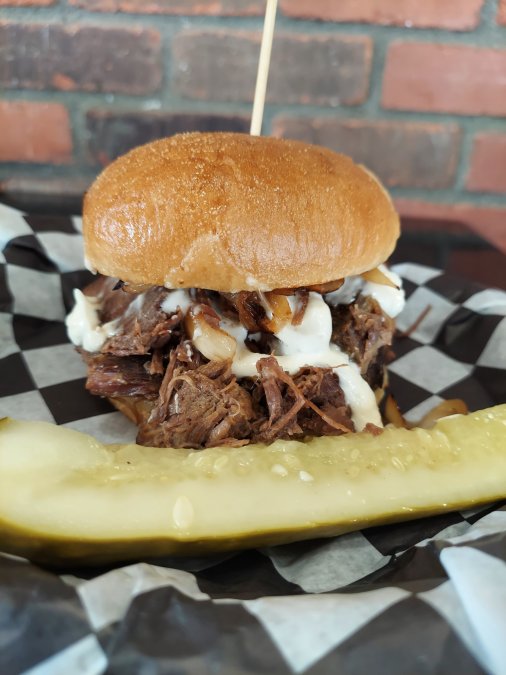
The Cuban sandwich is a pressed, layered sandwich rooted in Cuban cuisine. It brings together citrus-marinated pork, ham, Swiss cheese, pickles, and mustard on Cuban bread. Each part has a job.
Get one layer wrong and the whole thing falls flat. That's why the details matter more than the ingredient list.
Cuban Sandwich Ingredients That Define the Sandwich
Traditional Cuban sandwich ingredients are simple, but each one earns its place. Skip a step and you'll taste the difference.
Roast Pork: The Flavor Backbone
Roast pork is the heart of a good Cuban. We marinate ours in citrus, garlic, cumin, and salt, then roast it slow so it stays juicy. That citrus marinade, often built on sour orange, gives the pork its signature tangy edge. Pulled pork works too, but thin-sliced roast pork holds its texture better under the press.
Ham, Swiss, Pickles, and Mustard
The supporting cast matters just as much:
- Ham: Adds savory depth and salt. We skip processed deli meats and use real ham.
- Swiss cheese: Melts into the layers and brings a sharp, nutty note.
- Pickles: Thin slices add crunch and a tangy punch.
- Mustard: Yellow mustard is classic. It cuts through the rich pork and cheese.
The goal is flavor balance: savory, tangy, and a touch of sweet from the pork.
Cuban Sandwich Bread: Why Texture Decides Everything
Cuban bread is the dealbreaker. A real Cuban sandwich bread has a delicate crust and a soft interior. That combo is what makes it press well.
Get the bread wrong and you'll know. Bread that's too dense won't press flat. Bread that's too soft turns soggy.
Look for a light, airy loaf with a thin crust. If you can't find Cuban bread, a soft hoagie roll or French loaf is the next best thing.
How to Make a Cuban Sandwich at Home
Learning how to make a Cuban sandwich is mostly about layering and pressure. Here's the method we'd use at home:
- Build the mustard base. Spread yellow mustard on both halves of the bread.
- Layer the cheese first. Swiss on both sides helps everything stick.
- Add the pork. Pile thin-sliced roast pork on the bottom half.
- Add the ham. Layer it over the pork.
- Add pickles. A few thin slices go a long way.
- Close and press. Use a sandwich press or a heavy pan over medium heat.
- Press until golden. The cheese should melt and the bread should crisp.
The pressing step is where most people go wrong. You want steady, even pressure, not a quick smash. Give it time and the layers fuse together.
The Best Cuban Sandwich Checklist: 7 Signs of Quality
Most guides list ingredients and stop there. A checklist you can actually use has to test flavor, texture, proportion, and execution in the same bite. Here is the version we run against every Cuban, with the sensory cue that tells you whether it passes.
The sensory test: look, smell, feel, taste
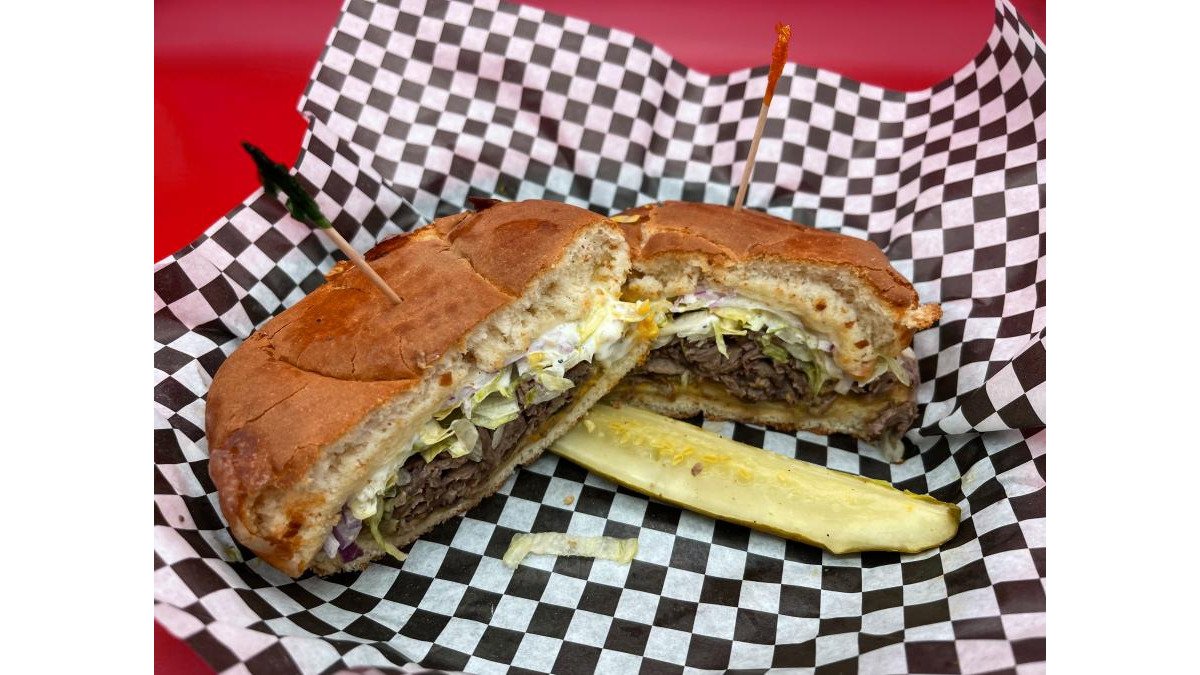
Before you grade individual items, run the quick sensory pass. A good Cuban looks pressed flat and even, with grill marks that run corner to corner rather than in one hot spot. It smells of toasted bread first, then garlic and citrus pork, then a faint sharpness from mustard and pickles. Picked up in one hand, it should feel dense but not heavy, and the crust should crackle slightly under your thumb without shedding crumbs everywhere.
The 7-point quality checklist
- Crust crackles, crumb stays soft. The outside should shatter lightly when you bite; the inside should give, not tear. If the crust is leathery, the bread was too dense or the press ran too cool.
- Cheese is fully melted edge to edge. Tug a half apart, the cheese should stretch, not sit in a cold slab. A cold center means the sandwich was too thick or the heat too low.
- Pork is juicy and citrus-forward. It should taste of garlic, cumin, and sour orange, and slice thin enough to bend rather than shred. Dry, chalky pork is the most common failure.
- Ham reads as salt, not as filler. It should back up the pork, not dominate it. If the ham is the loudest flavor, the layers are out of proportion.
Proportion guidance: how much of each layer
Proportion is where most home cooks and busy shops drift. A workable rule of thumb is to let the pork be the largest layer by volume, the ham roughly half that, cheese enough to cover both slices of bread in a single even sheet, pickles a thin single layer, and mustard a light spread on both halves. Too much meat makes the sandwich hard to press and throws off the salt balance; too little cheese and the layers slide.
How to score it
Give each of the seven signs a pass or fail. One or two misses and you have a decent sandwich with a fixable flaw. Three or more and it's not a great Cuban, usually a bread, heat, or proportion problem rather than a missing ingredient. This is the fastest way to separate a real one from a rushed one, and it's the same standard we hold our own to.
Regional Differences and the Authenticity Debate
The Cuban sandwich has strong regional opinions, and they're worth knowing. In Florida, especially around Tampa and Miami, the debate gets real.
Tampa-style Cubans often include salami, a nod to the city's Italian and Cuban communities. Miami-style Cubans usually leave it out.
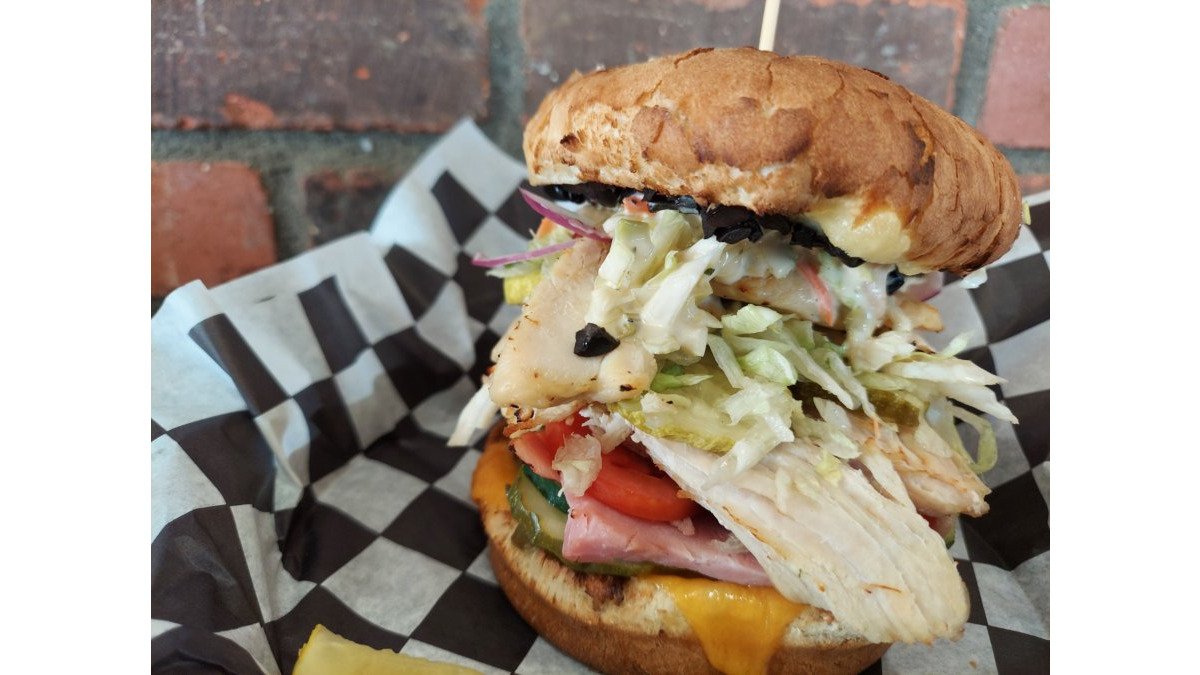
Outside Florida, you'll find plenty of variations. Some shops add lettuce or tomato. Some use different cheeses. Purists will tell you those aren't real Cubans.
Troubleshooting Texture, Proportions, and Make-Ahead Handling
Most Cuban problems trace back to heat, moisture, thickness, or timing. Here is how to diagnose each one and fix it, plus how to assemble ahead without wrecking the bread.
Texture and pressing fixes
- Soggy bread. Moisture is the culprit, wet pickles, too much mustard, or a wet filling. Pat pickles dry, spread mustard thin, and drain pork well before layering. Pressing at too low a heat also steams the bread instead of toasting it, so let the press come fully up to temperature first.
- Dry, chalky pork. The pork was overcooked or sliced too thick. Slice thin against the grain and keep roasted pork moist with a little of its citrus juices; reheat gently rather than blasting it.
- Cheese not melting. Either the press is too cool or the sandwich is too thick. Keep the stack modest, put cheese on both slices of bread so it meets the hot surfaces, and give it steady time rather than a quick smash.
- Over-compressed, flattened sandwich. Too much pressure crushes the crumb and squeezes out the juices. Use steady, even weight, a heavy skillet or a press set to moderate pressure, and let heat do the work.
- Uneven browning. A press with a hot spot or a pan that isn't level browns one side more. Rotate the sandwich partway through and flip once if you're using the skillet method.
Proportion fixes
If the sandwich won't press flat, there's too much meat. If the layers slide apart, there's too little cheese. If it tastes flat, the pickles or mustard are underplayed. Rebalance toward even layers rather than adding more of everything, and taste a test sandwich before building a batch.
Make-ahead and reheating
- Assemble ahead, press to order. You can build sandwiches a few hours ahead and hold them covered in the fridge, but press them right before serving so the crust stays crisp.
- Store components separately. Keep cooked pork, sliced ham, cheese, pickles, and bread apart until assembly; the bread stays fresher at room temperature than in a cold fridge, where it turns dense and stale faster.
- Reheat gently. If you must reheat a pressed Cuban, use a dry skillet or press over medium-low heat to re-crisp the outside without drying the filling. Avoid the microwave, which steams the bread and makes it chewy.
- Food safety. Keep raw and cooked pork separate, refrigerate leftovers promptly, and reheat cooked pork to a safe internal temperature. The USDA food safety guidance is a solid reference for safe handling and reheating temperatures.
Conclusion: What a Good Cuban Really Comes Down To
What makes a good Cuban isn't a secret ingredient. It's fresh bread, real pork, honest cheese, and a proper press. Balance and texture do the rest.
That's how we build ours at Knuckle Sandwiches. Plus we do breakfast: breakfast burritos, bagel sandwiches, and bowls, all with our own homemade salsa.
We think we've got the best Cuban outside of Miami, and our prices land right about where other sandwich shops sit, sometimes less for the quality you get.
Frequently Asked Questions
What makes a Cuban sandwich authentic?
An authentic Cuban sandwich uses Cuban bread, citrus-marinated roast pork, sliced ham, Swiss cheese, pickles, and mustard, then gets pressed until the bread is crisp and the cheese melts. The pork should be roasted with garlic, cumin, and sour orange, not just pulled pork with barbecue sauce. Pressing is non-negotiable because it fuses the layers and creates the signature flat, toasted texture. Many purists also insist on no lettuce, tomato, or mayo, since those add moisture that softens the crust.
What kind of bread is used for a Cuban sandwich?
Cuban sandwich bread is a soft, white bread with a thin, crisp crust and a light, airy interior. It resembles a French or Italian loaf but is slightly sweeter and more delicate, which helps it compress without crumbling. Traditional bakers make it with lard or shortening for tenderness. If you cannot find Cuban bread, a soft hoagie roll or a light French baguette works as a substitute, but avoid anything too crusty or dense because it will not press evenly.
Why is a Cuban sandwich pressed?
Pressing a Cuban sandwich does three things: it flattens the bread so the layers hold together, it crisps the crust against the hot plancha, and it melts the Swiss cheese so it binds the pork, ham, and pickles into one cohesive bite. Without pressing, you get a cold-cut sandwich with loose layers and soft bread. A plancha or a heavy skillet with a weighted lid works at home. Press for about 3 to 5 minutes per side over medium heat, until the cheese oozes and the crust crackles.
What is the difference between a Cuban sandwich and a Cubano?
There is no real difference. "Cubano" is simply the Spanish word for "Cuban," and both terms refer to the same pressed sandwich of roast pork, ham, Swiss cheese, pickles, and mustard on Cuban bread. Menus use them interchangeably. Some regional variations exist, like the Tampa version that adds Genoa salami, but the core sandwich is the same. If a shop calls it a Cubano, expect the traditional pressed preparation, not a different dish.
Your next team lunch or event deserves food that's made fresh, not pulled from a case. Knuckle Sandwiches offers scratch-made sandwiches, catering for any size crowd, and breakfast options to start the day right. Order now and taste the difference real ingredients make.