 Listicle
Why Supporting Local Sandwich Shops Pays Off
Last Updated: November 4, 2026
Quick Summary
Supporting local sandwich shops pays off because your money stays closer to the neighborhood, circulating through local staff and suppliers instead of a corporate headquarters. You also get fresher food, since local shops often prep ingredients in-house the same morning, plus a familiar place that knows your name.
- Local shops often prep ingredients in-house the same morning, so texture and flavor are fresher.
- A national chain sends a share of each sale to corporate headquarters.
- The multiplier effect means one dollar of local spending generates more local activity.
- Scratch-made food is prepared from raw ingredients in the shop's own kitchen.
- Confirm headcount, delivery window, and dietary needs before placing a catering order.
Table of Contents
- Why a Sandwich Shop Is a Better Bet Than a Chain
- The Importance of Supporting Local Businesses in Your Own Neighborhood
- How Supporting Local Businesses Helps the Economy
- How Does Supporting Local Businesses Help the Environment?
- What Scratch-Made Really Means for Your Lunch
- Local Sandwich Shop Catering That Feeds a Whole Office
- Ordering Your Next Office Lunch From a Local Shop
- Frequently Asked Questions
Why a Sandwich Shop Is a Better Bet Than a Chain
The benefits of supporting local sandwich shops start with what lands on your plate. To see what separates quality sandwich shops from the rest, read our full breakdown. A locally owned shop builds its menu around ingredients it chooses itself, often prepped in-house the same morning you eat them.
That difference shows up in texture, in flavor, and in how full you feel an hour later.
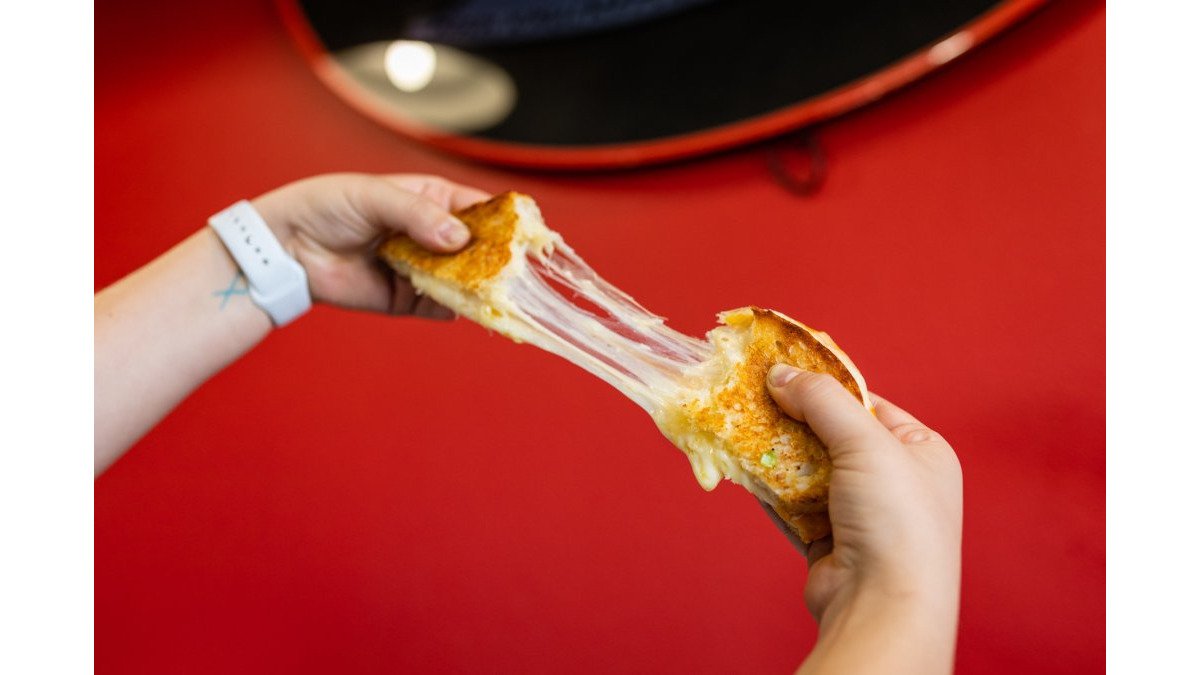
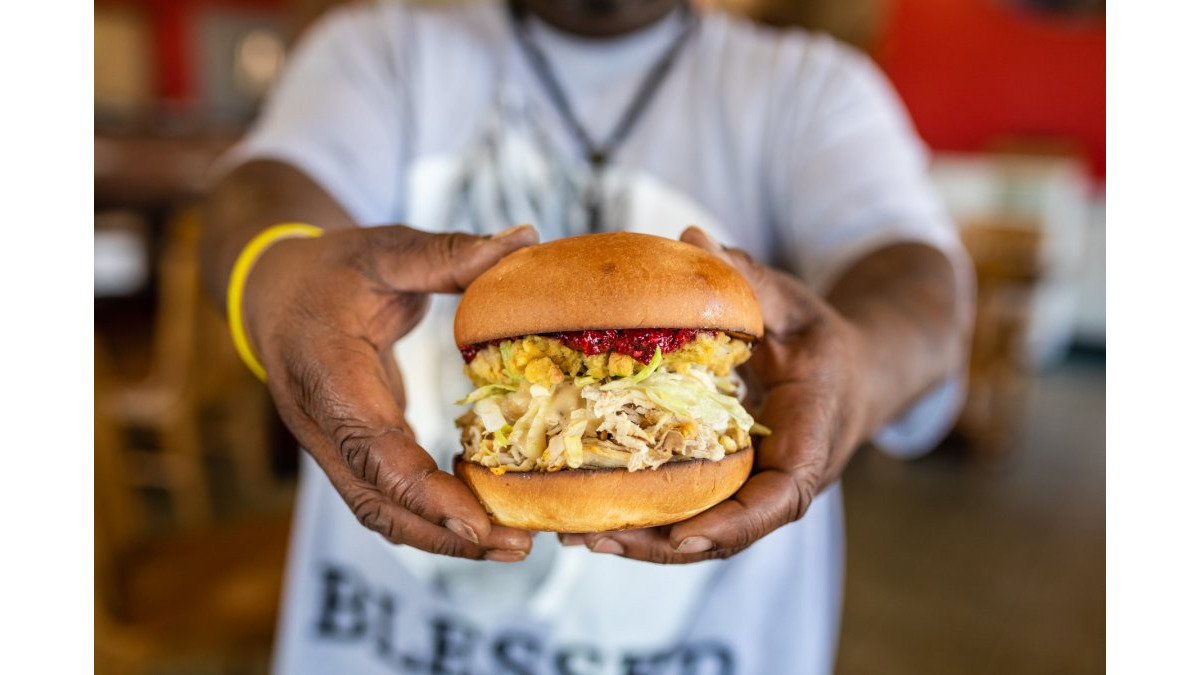
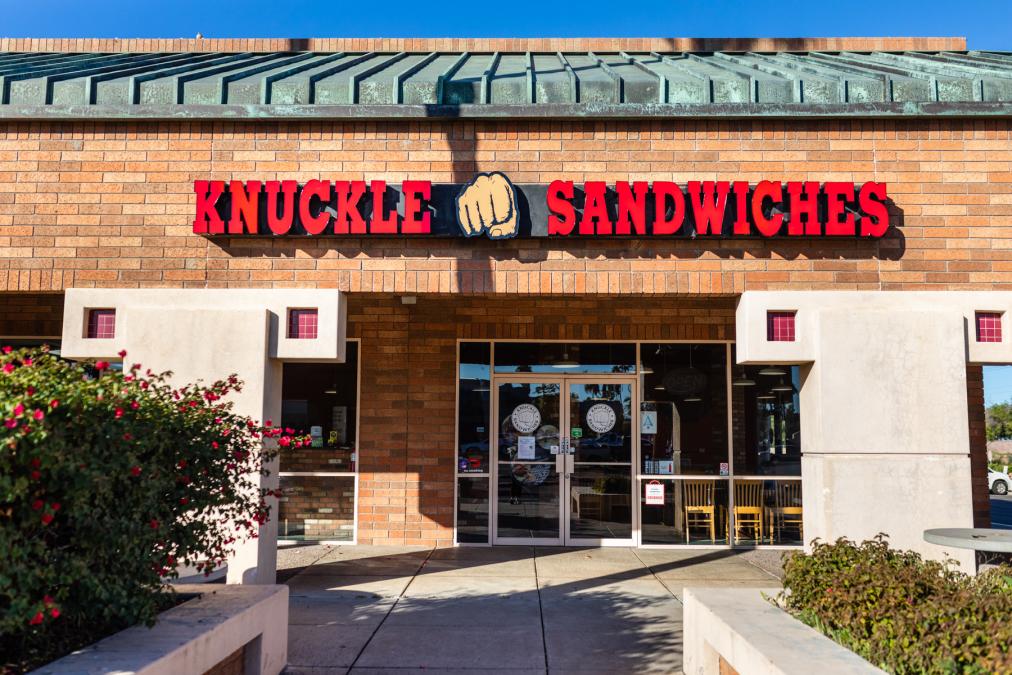
At Knuckle Sandwiches, we make fresh, scratch-made sandwiches in house, with house-made salsa and no processed deli meats. Pricing depends on your order, so visit our website for current prices or a quote.
The Sandwich-Specific Supply Chain
Most food supply chains are long. A sandwich chain's lettuce might travel through a regional warehouse, a distributor, and a commissary before it reaches a store cooler. Every handoff adds time.
Here is how a locally owned sandwich shop differs from a chain, based on what the article describes.
| Aspect | Local sandwich shop | Chain sandwich shop |
|---|---|---|
| Ingredients | Chosen by the shop, often prepped in-house that morning | Lettuce may pass through warehouse, distributor, and commissary |
| Menu | Built around ingredients the owner selects | Not stated |
| Deli meats | No processed deli meats at Knuckle Sandwiches | Not stated |
| Salsa | Made from scratch in house | Not stated |
| Supply chain | Shorter, fewer handoffs | Longer, with more handoffs and added time |
| Money flow | Spending stays closer to the neighborhood | Share of each sale goes to corporate headquarters |
The Importance of Supporting Local Businesses in Your Own Neighborhood
The importance of supporting local businesses shows up most clearly at the neighborhood scale, where a sandwich shop's spending decisions land within a few miles. Each payment a local owner makes to landlords, staff, and suppliers is a decision to keep money circulating close to home.
That circulation is the quiet engine behind the importance of supporting local businesses. When a shop buys from nearby suppliers and hires locally, that spending tends to stay in the neighborhood.
There is a social layer too. A neighborhood sandwich counter can come to know its regulars, and that familiarity is why independent shops often become the place a neighborhood checks in on itself.
If you want a wider look at how independent spots shape a neighborhood, our guide to local mom and pop restaurants covers the bigger picture.
The Third Place: Where Regulars Become Neighbors
Sociologists use the term third place to describe a spot that isn't home and isn't work but still anchors daily life. Coffee shops, barbershops, and lunch counters all qualify. A sandwich shop earns that role through repetition: you come in on a lunch break, you see the same faces, and small talk becomes a real relationship over months.
The mechanism is worth spelling out. A third place works because it is low-pressure and habitual. You do not need a reservation, you can come alone, and the cost of entry is a sandwich. That low barrier is exactly what lets a lunch counter host the same retired regulars, remote workers, and construction crews day after day.
Independent shops can offer both speed and recognition, which is part of why a local sandwich shop can be more than a place to eat.
How Supporting Local Businesses Helps the Economy
The economic case for local spending rests on one idea: money that circulates locally gets spent again locally. A shop owner who buys produce from a regional farm keeps that farm in business. The farm hires locally. Those wages get spent at other neighborhood businesses.
This is why how supporting local businesses helps the economy isn't just a feel-good talking point. It's a chain reaction.
The Economic Multiplier Effect Explained
The multiplier effect describes how one dollar of local spending generates more than one dollar of local economic activity as it moves through the community.
Picture it this way:
- You spend money at a local sandwich shop
- The shop pays local staff and a regional produce supplier
- Staff spend wages at nearby businesses
- The supplier buys from area growers
- Those growers spend locally too That same cycle of local spending can extend beyond lunch, as buying craft spirits locally helps keep more of a community’s dollars moving among nearby businesses and producers.
A national chain sends a share of each sale to corporate headquarters and often sources through national distributors. Less of that dollar recirculates nearby. The multiplier isn't a slogan, it's a pattern of where money goes next.
How Does Supporting Local Businesses Help the Environment?
The environmental case for a local sandwich shop is easiest to see ingredient by ingredient, because a sandwich is a stack of separate supply chains: bread, produce, meat, cheese, and condiments. Each one has its own distance, its own packaging, and its own spoilage risk. A local shop can shorten several of those chains at once in ways a national chain's distribution model cannot.
We do not use processed deli meats, so our fillings avoid the curing and preservative-heavy processing that those products require.
The U.S. Environmental Protection Agency's guidance on food waste explains why reducing food waste matters for emissions, and shorter, sandwich-specific supply chains are one small lever among many. The point is not that a local shop is carbon-neutral; it is that fewer handoffs, less freezing, and less over-ordering add up across every sandwich you buy.
What Scratch-Made Really Means for Your Lunch
Scratch-made means the food is prepared from raw ingredients in the shop's own kitchen, not assembled from pre-cooked, pre-sliced, or pre-seasoned components. It's a claim about process, not marketing.
The clearest test is the deli meat case. Processed deli meats are cured, salted, and often contain preservatives and added nitrates. The World Health Organization's classification of processed meat notes that processed meats are classified as carcinogenic to humans, which is one reason many shoppers now read labels closely.
We do not use processed deli meats. Our salsa is made from scratch, and our Cuban sandwich is built the way it should be. If you want to understand the health angle in more depth, read our breakdown on how to lower your risks of processed deli meats.
Local Sandwich Shop Catering That Feeds a Whole Office
Feeding a group is where a local shop earns its keep. We cater office meetings, graduations, birthdays, and team lunches, and we do breakfast catering too: breakfast burritos, bagel sandwiches, and bowls.
Catering is the practical answer to "how do we feed 40 people without a headache." One order, one delivery, food that still tastes good at 11:45. If you're ready to plan it out, our guide on ordering scratch made sandwich catering online walks through the process.
Ordering Your Next Office Lunch From a Local Shop
Placing a catering order doesn't need to be complicated. Start with a headcount and a delivery window, then confirm any dietary needs before you commit.
A simple order checklist:
- Confirm the headcount and add a small buffer
- Set your delivery time and exact address
- Ask about allergen details and cross-contamination handling
- Choose a mix of sandwiches, salads, and sides
- Add breakfast items if the meeting starts early
- Confirm the order a day ahead
Our step-by-step guide on 7 steps to plan office catering covers the full process, including how to avoid the usual last-minute scramble.
The benefits of supporting local sandwich shops come down to fresher food, money that stays in the neighborhood, and a place that knows your name. Order now and see for yourself.
Frequently Asked Questions
What are the benefits of supporting local sandwich shops?
Money stays closer to home: locally owned shops tend to spend more of their revenue with nearby suppliers, landlords, and staff than chains do, which strengthens the local tax base and community reinvestment. You also get a shorter supply chain, so ingredients travel less and arrive fresher. Scratch-made kitchens skip processed deli meats and build flavor in house. And you get personalized service, because the people making your lunch know your order and your team's dietary needs.
How does supporting a local sandwich shop help the community?
A neighborhood shop acts as a third place, a spot where coworkers and families run into each other and social capital builds. It also creates jobs that stay in the area and keeps revenue circulating among local producers and vendors. When a shop sources bread, produce, and meat from nearby suppliers, that spending ripples outward. Community connection and neighborhood character both benefit when a locally owned business has a reason to stay put.
Can local sandwich shops cater for groups and events?
Yes. Local sandwich shop catering handles office meetings, graduations, birthdays, and corporate lunches, often with breakfast options like burritos, bagel sandwiches, and bowls. Ask about headcount, delivery windows, and dietary restrictions when you book. Confirm your headcount, delivery time, and dietary needs in advance.
How does supporting local businesses help the environment?
Local sourcing shortens the supply chain, which can lower the carbon footprint tied to transporting ingredients. A neighborhood shop also supports walkable errands, so customers can stop in on foot or during a short drive instead of adding to urban sprawl on a long trip to a big-box strip. Scratch-made kitchens that buy from local producers cut packaging and food miles. The environmental impact adds up across many small choices, not one dramatic change.
Knuckle Sandwiches makes everything from scratch in-house, with no processed deli meats and a Cuban sandwich we're proud to put up against any in the country. We cater breakfast and lunch for offices, graduations, and celebrations of every size, and our pricing lands right alongside other sandwich shops once you factor in what you're actually eating. Get started with Knuckle Sandwiches and taste the difference a scratch-made kitchen makes.