 How-to
7 Steps to Plan Office Catering Without the Headaches
Last Updated: October 30, 2026
Quick Summary
To plan office catering, start by defining the event purpose and format, then set an all-in budget that includes delivery, setup, service, tax and gratuity. Lock your headcount by the caterer's order deadline, estimate quantities per meal type, and collect dietary needs during RSVP.
- Define the meeting purpose and format before contacting any caterer.
- Compare vendors using all-in per-person cost, not menu price alone.
- Lock the final headcount with your caterer by their order deadline.
- Plan beverages at 1.5 to 2 servings per person, weighted toward water and coffee.
- Collect allergies and dietary preferences during RSVP and confirm each with the caterer.
Table of Contents
- Start With the Event Purpose, Goals, and Format
- Set a Catering Budget and Know What Drives the Total
- Estimate Attendance and Lock the Headcount
- How to Estimate Food Quantity for Office Events
- Build a Corporate Catering Dietary Restriction Checklist
- Best Office Breakfast Catering Ideas for Morning Meetings
- Use a Catering Order Email Template for Office Coordination
- Place Your Office Catering Order With Knuckle Sandwiches
- Frequently Asked Questions
Start With the Event Purpose, Goals, and Format
Before you pick a single sandwich, define what the meal needs to do. Office catering works best when the food matches the reason people are gathering.
A working lunch for eight people has different needs than a company-wide luncheon for eighty. So start with three questions:
- Why are we meeting? Training, client visit, team celebration, all-hands.
- What is the goal? Focus, networking, morale, or recognition.
- What format fits? Casual buffet, boxed lunches, or plated service.
Knuckle Sandwiches caters office meetings, graduations, birthdays, and full corporate lunches.
Write the purpose and format down before you contact anyone.
For proven formats that work well for team meetings, see catering options for team meetings.
Set a Catering Budget and Know What Drives the Total
The total on a catering invoice is rarely just food. Build your budget around the full picture, not the per-sandwich number, and you will avoid two common surprises: a total well above the menu quote, and a per-person cost that creeps up as headcount grows.
The line items that make up a catering total
Most catering budgets combine several line items. Know which ones apply before you compare quotes:
- Food cost per person, based on menu choices and portion sizes
- Delivery charges for drop-off to your office, often tiered by distance or order size
- Setup fees if the caterer arranges and stages the spread
A drop-off sandwich order typically carries food, delivery, and tax, little else. A staffed hot lunch adds setup, service, and gratuity. That is why two quotes with similar menu prices can land far apart once fees are included.
Build a per-person budget in four steps
- Set a target per-person food cost based on your event type. A casual sandwich and salad spread sits at the low end; a plated hot lunch sits at the high end.
- Multiply by confirmed headcount to get your food subtotal.
- Add delivery, setup, and service fees as a percentage or flat amount, whichever your caterer quotes.
- Apply tax and gratuity to reach the all-in total, then divide by headcount to see your true per-person cost.
That all-in per-person cost is the only figure worth comparing across vendors. A lower menu price with heavy fees can cost more than a higher menu price with a simple drop-off charge.
How group size changes the math
Small orders often carry a higher per-person cost because flat delivery and setup fees spread across fewer people. As headcount grows, those fixed costs dilute and the per-person total drops toward the food cost.
Model the budget at your confirmed headcount, then again at headcount plus a small buffer. If the buffered total still fits, you can absorb a few late additions without a second order.
Questions to ask before you approve a quote
- Is delivery a flat fee or tiered by distance or order size?
- Is setup included, or is it a separate charge?
- Is gratuity built in, and at what rate?
Get a written quote that separates food from fees. A caterer who explains the breakdown clearly is easier to plan around.
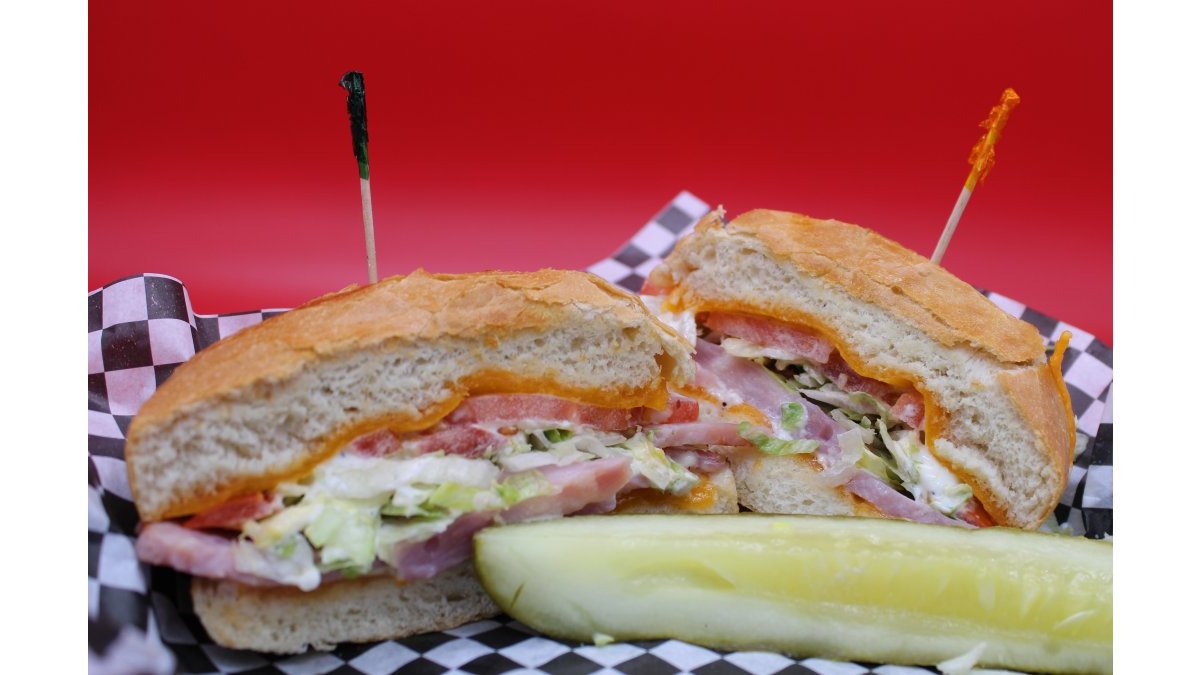
Pricing depends on quantity, dates, and delivery, so request a quote from Knuckle Sandwiches for current prices. We do not use processed deli meats, and everything is made from scratch in house.
Estimate Attendance and Lock the Headcount
Headcount drives food quantity, cost, and delivery logistics. Get it right and the rest of the plan falls into place.
Start with your invite list, then apply a realistic attendance rate.
Here is a simple headcount process:
- Send invitations with a clear RSVP-by date.
- Track responses in a shared sheet or your meal calendar.
- Follow up with non-responders two days before the deadline.
- Lock the final number with your caterer by their order deadline.
- Add a small buffer only for genuinely uncertain events.
Guest count and attendance are not the same thing. A buffer of a few extra portions covers late additions without wasting a full tray.
Communicate the final number to your vendor in writing, then confirm it back to your team.
How to Estimate Food Quantity for Office Events
Estimating food quantity comes down to portion sizes and meal type. A lunch entrée needs more per person than a morning pastry spread, and a mixed menu needs a different calculation than a single-item order.
Start with a portion baseline per meal type
Use these planning baselines as a starting point, then adjust for event length and format:
- Lunch entrées (sandwiches, subs, bowls): plan one main per guest, plus a small buffer of a few extra portions
- Sandwich and sub platters: count on most people taking one to two pieces, depending on cut size
- Sides and salads: a generous side portion per person, with extra for longer events
A simple calculation method for mixed menus
When your order mixes entrées, sides, and drinks, calculate each category separately rather than applying one blanket number:
- Entrées: headcount × 1, plus a buffer of roughly 5-10% for uncertain events.
- Sides and salads: headcount × 1 generous portion, with extra if the event runs over two hours.
- Beverages: headcount × 1.5 to 2 servings, weighted toward water and coffee.
- Breakfast items: headcount × 1.5 to 2 items, since people often take a handheld plus a lighter option.
Worked example: for a 40-person working lunch with sandwiches, a side salad, and drinks, plan about 40 entrées plus a small buffer, 40 generous salad portions, and 60-80 beverage servings. For a 40-person breakfast with burritos, bagel sandwiches, and bowls, plan about 60-80 total items, since guests tend to sample more than one.
Adjust for format and appetite
- Short stand-up meeting (under an hour): lighter quantities; people eat less when standing.
- Half-day training or all-day session: heavier quantities, especially beverages and sides.
- Morning meeting: handheld breakfast items move fastest; plan more of those than bowls.
The biggest mistake is under-ordering drinks and sides while over-ordering entrées. A short stand-up meeting also needs less food than a half-day training session.
Reduce shortages and waste at the same time
Confirm your headcount before the order deadline, use the buffer only for genuinely uncertain events, and ask your caterer how they portion items so your calculation matches what arrives.
Use these planning baselines as a starting point, then adjust for event length and format.
| Item | Planning baseline | Note |
|---|---|---|
| Lunch entrées (sandwiches, subs, bowls) | One main per guest, plus a few extra portions | Small buffer covers late additions |
| Sandwich and sub platters | One to two pieces per person | Depends on cut size |
| Sides and salads | One generous portion per person | Extra for events over two hours |
| Beverages | 1.5 to 2 servings per person | Weighted toward water and coffee |
| Breakfast items | 1.5 to 2 items per person | People take a handheld plus a lighter option |
| Entrée calculation | Headcount × 1, plus 5-10% buffer | Buffer only for uncertain events |
Build a Corporate Catering Dietary Restriction Checklist
A dietary restriction checklist prevents the awkward scramble when someone cannot eat what is on the table.
Use this checklist:
- Collect allergies and dietary preferences during RSVP
- Separate true allergies from preferences
- Confirm the caterer can handle each restriction
Food allergies deserve special care. A guest with a serious allergy needs accurate ingredient information, not a guess.
For a deeper walkthrough, read how to plan catering that handles food allergies safely.
Dietary preferences, from vegetarian to gluten-free, are easier to plan for when you gather them early.
Best Office Breakfast Catering Ideas for Morning Meetings
Breakfast catering sets the tone for a morning meeting.
Here are breakfast ideas that work well in an office setting:
- Breakfast burritos for a hearty, handheld start
- Bagel sandwiches for a familiar, filling option
- Breakfast bowls for guests who want something lighter
Handheld foods suit morning meetings. People can eat while they listen, and there is less cleanup between sessions.
Knuckle Sandwiches serves breakfast. We make breakfast burritos, bagel sandwiches, and bowls, and we make our own salsa in house.
For a full rundown of morning options, see the office breakfast catering guide.
Use a Catering Order Email Template for Office Coordination
A clear email keeps your caterer and your team on the same page. Use a template so nothing gets lost between the request and the delivery.
Here is a catering order email template you can copy and fill in:
Subject: Catering order request: [Event name] on [date]
Hi [Caterer name],
We would like to place a catering order for [event name] on [date].
- Delivery time: [time]
- Delivery address: [office address and room]
- Guest count: [number]
- Event format: [casual lunch / breakfast / plated]
- Menu: [items and quantities]
- Dietary needs: [allergies and preferences]
- Setup: [drop-off / full setup]
- Contact on site: [name and phone]
Please confirm availability, the order deadline, and the total. Let us know if you need anything else from us.
Thank you, [Your name]
Send the same key details to your team in a short internal note: delivery time, where food will be set up, and who to ask about dietary items.
Confirm the order a day ahead. A quick reply-all check on timing and headcount catches last-minute changes.
Place Your Office Catering Order With Knuckle Sandwiches
Planning is done. Now it is time to feed the team.
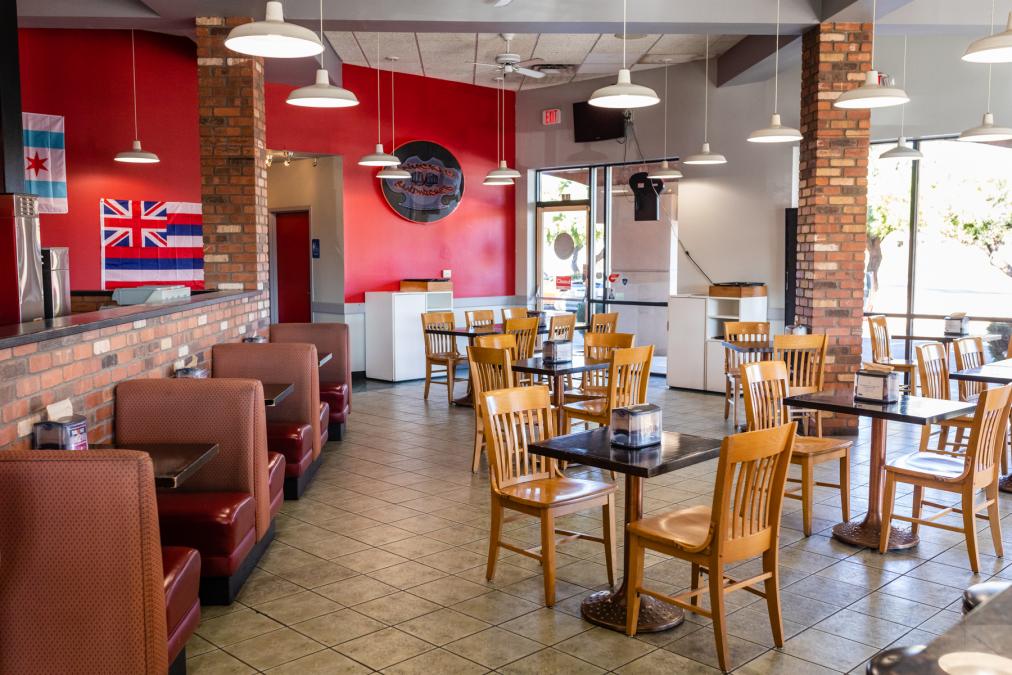
We cater office meetings, corporate lunches, graduations, and celebrations. Catering is a good option to feed a lot of people, and we handle breakfast too.
Here is what sets us apart. We do not use processed deli meats.
If you want a broader look at the process before you commit, read how to choose office catering. See how to order scratch-made sandwich catering online.
Frequently Asked Questions
How much should you budget for office catering per person?
Most teams plan a per-person figure and then add delivery and service charges on top. Set your number by meal type first: a breakfast meeting usually costs less per head than a full lunch spread. Build the budget as food cost per person times guest count, then add delivery charges, setup fees, and a small buffer for extra attendees. Knuckle Sandwiches does not publish fixed catering rates because pricing depends on quantity, dates, and delivery, so request a quote for your headcount and menu.
How do you calculate the amount of food needed for an office event?
Start with confirmed attendance, not the invite list. Add 10 to 15 percent for no-shows and last-minute guests. For sandwich and sub trays, plan on most people taking one to one and a half portions, with a few taking two. Order a mix of proteins so people who skip one option still have a full meal. Round up on sides and drinks, since running short is more noticeable than having a little left over. Confirm final counts with your caterer at least 48 hours out.
How do you handle dietary restrictions when planning office catering?
Collect restrictions in the same form you use for RSVPs, and ask about allergies separately from preferences. Build a simple checklist: vegetarian, gluten-free, dairy-free, nut allergies, and any other documented allergies. Share the list with your caterer and ask for ingredient details on the items you plan to order. Label dishes at the serving table so guests can serve themselves safely.
How far in advance should you book office catering?
Book standard office lunches at least three to five business days ahead, and give a larger window for events over 50 people or around holidays. For recurring monthly lunches, set a standing order deadline so the caterer can plan ingredients. Confirm your final headcount 48 hours before delivery and reconfirm the delivery window and drop-off location. Early planning also gives you time to collect dietary restrictions and get budget approval without rushing.
Your next team lunch does not have to be a headache. Let Knuckle Sandwiches handle the food with scratch-made sandwiches, breakfast burritos, and catering built for a crowd. Get started with Knuckle Sandwiches and give your office a meal made fresh, with no processed deli meats and no shortcuts.