 Listicle
7 Best Sandwich Catering Picks for Events and Offices
Last Updated: November 2, 2026
Quick Summary
The best sandwich catering for events balances fresh assembly, clear per-person portions, allergen transparency, and reliable delivery. Plan two to three sandwich halves per person plus a 10 percent buffer, and confirm platter sizes with your caterer before ordering.
- Knuckle Sandwiches builds every platter from scratch in house with no processed deli meats.
- Boxed lunches remove the serving bottleneck at large meetings because everyone grabs and goes.
- For 50 people, plan roughly 125 halves, or about 138 with the buffer.
- Lock your headcount and order at least three to five business days ahead for standard events.
- Collect dietary needs at RSVP and order a dedicated portion for each category.
Table of Contents
- What to Look for in Sandwich Catering for Events
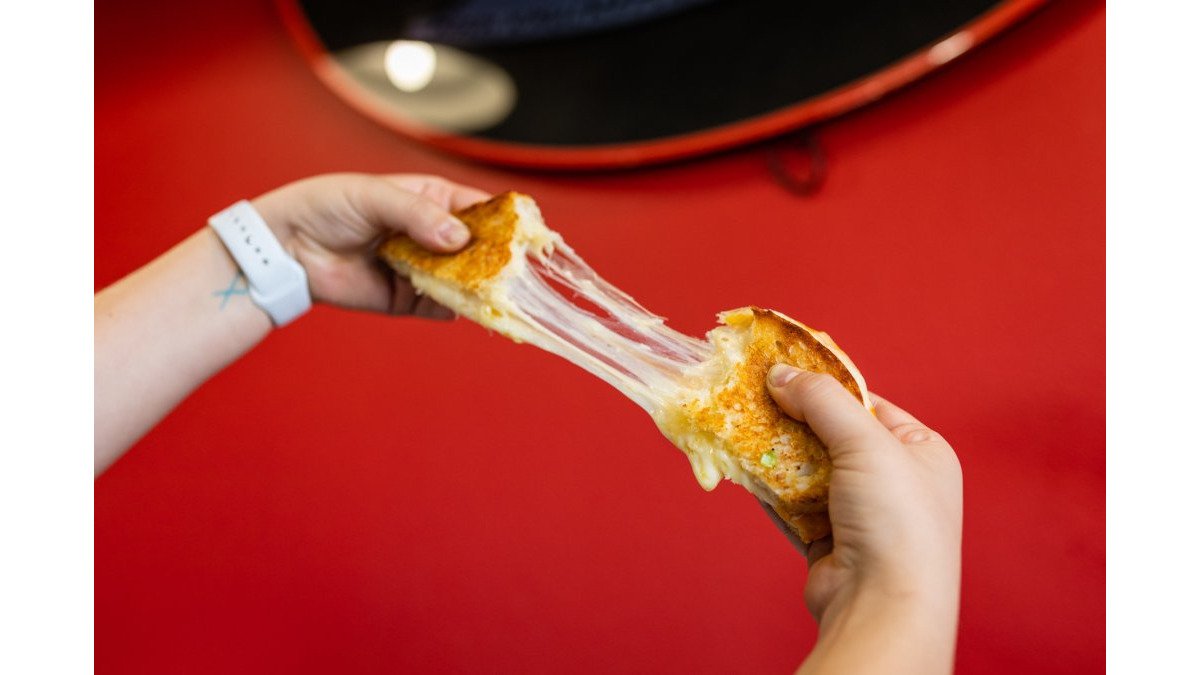
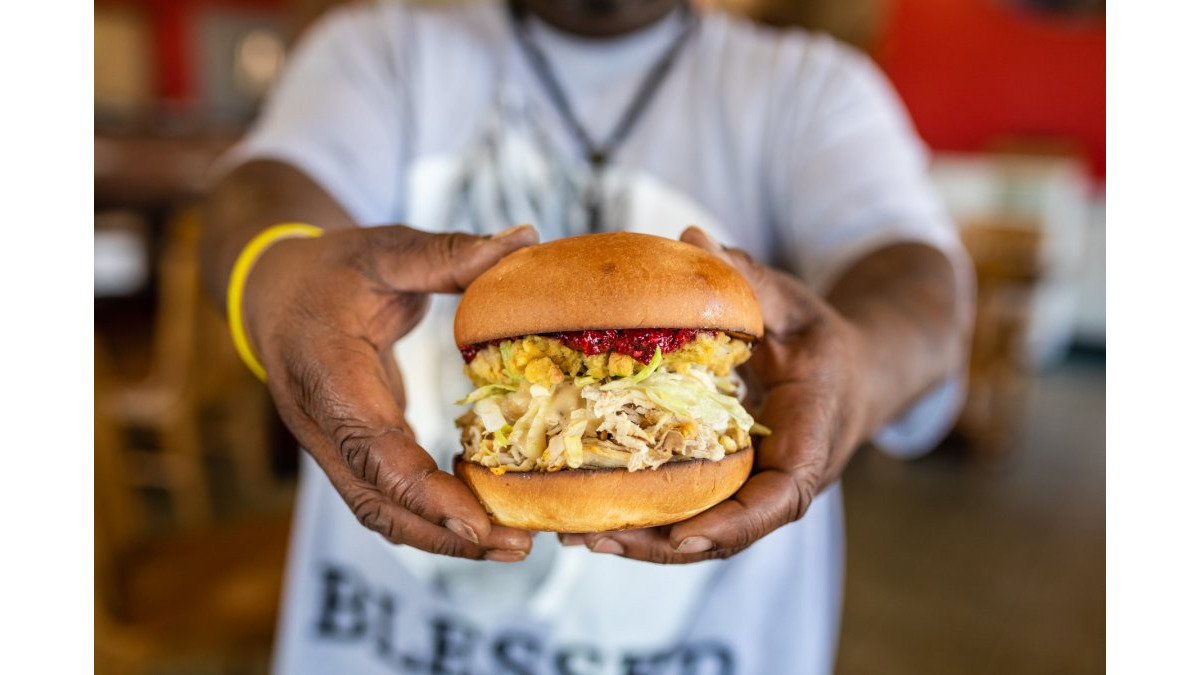
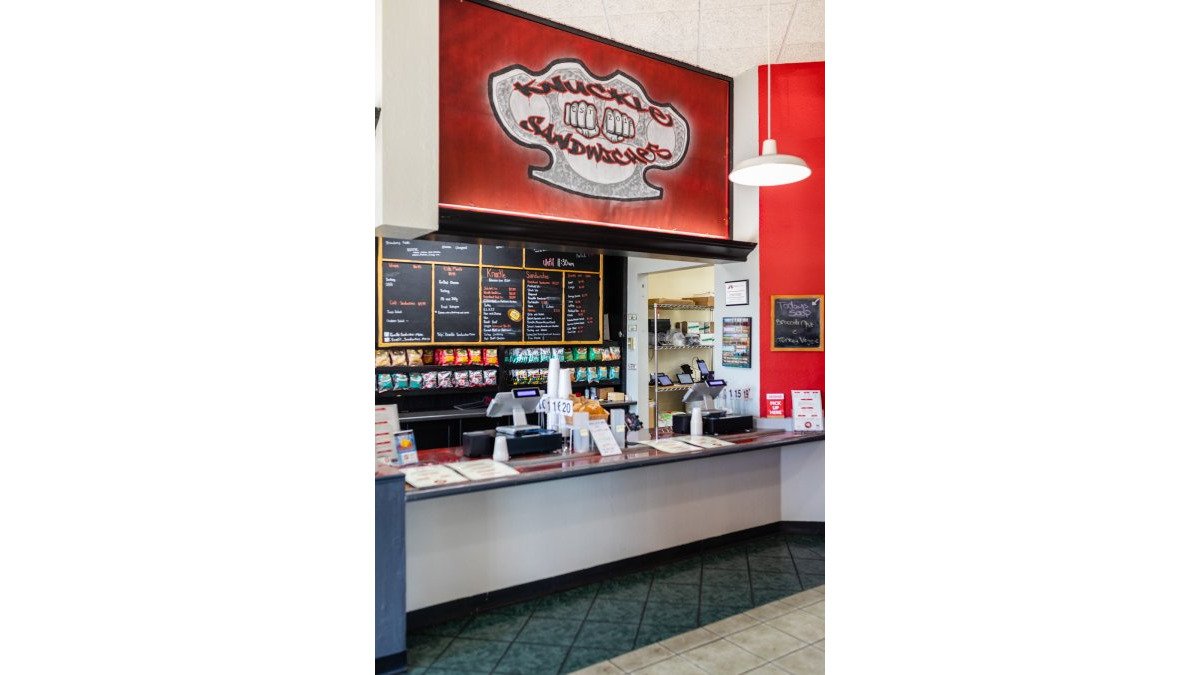
- Knuckle Sandwiches: Scratch-Made Catering Without Processed Deli Meats
- National Chains and Local Caterers: How the Options Compare
- How to Calculate Catering Quantities for Any Group Size
- Office Lunch Catering Ideas That Keep Teams Happy
- Breakfast Burrito Delivery for Morning Meetings
- Dietary Needs, Allergens, and Custom Orders
- Ordering Timelines, Delivery, and Setup
- Frequently Asked Questions
What to Look for in Sandwich Catering for Events
The best sandwich catering for events balances four things: fresh assembly, clear per-person portions, allergen transparency, and delivery you can plan around. Get those right and the menu almost runs itself. Get them wrong and you are the person apologizing to forty hungry coworkers at noon.
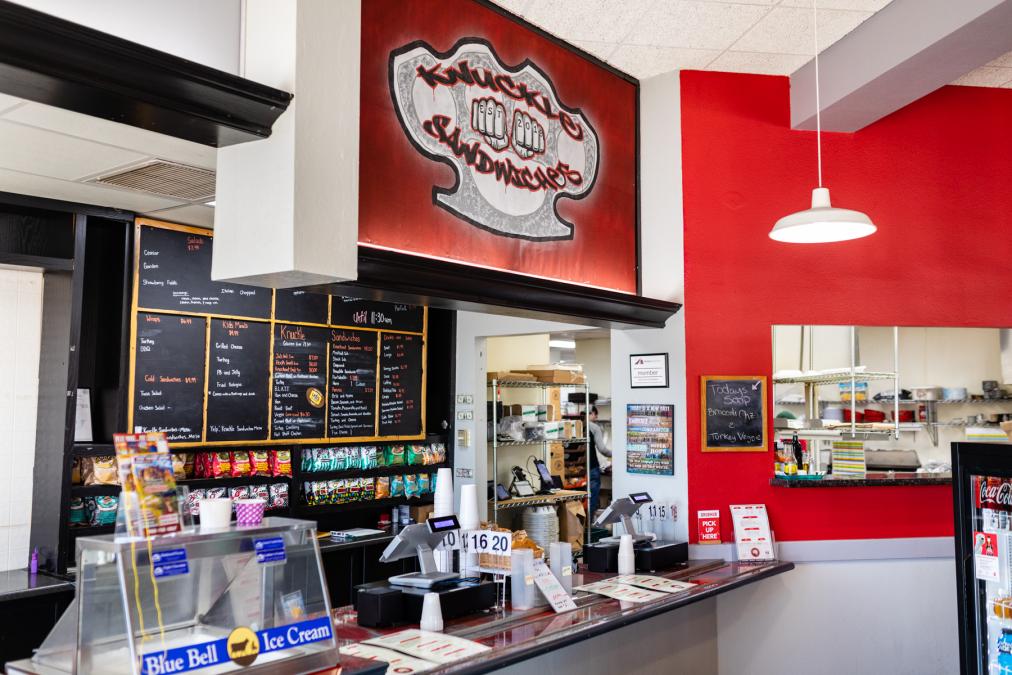
Here is the uncomfortable truth most catering pages skip: the gap between a great sandwich platter and a forgettable one is rarely the bread.
Below, we break down the seven strongest options for sandwich catering, how to size an order, and how to avoid the logistics traps that ruin an otherwise easy event.
Quick Picks:
- Best overall for fresh, scratch-made food: Knuckle Sandwiches
- Best for large standardized corporate orders: National chain catering programs
- Best for presentation-first events: Boutique bistro caterers
Knuckle Sandwiches: Scratch-Made Catering Without Processed Deli Meats
We cater office meetings, team lunches, graduations, birthdays, and casual gatherings, and we are a good option to feed a lot of people.
Best for: teams and families who want fresh, scratch-made food and a menu that covers breakfast through lunch. Skip if: you need a single national vendor handling dozens of offices at once.
Pricing depends on quantity, dates, and delivery, so check our website for current prices or a quote. Read our guide on how to lower your risks of processed deli meats.
National Chains and Local Caterers: How the Options Compare
National chains win on predictability. Local caterers can offer fresher food. That is the whole trade-off in one sentence, and it should drive your decision more than any menu photo.
Party Platters and Boxed Lunch Programs
National chains often offer party platters and boxed lunches. A party platter is a shared tray of assorted sandwich halves, while a boxed lunch is an individually packed meal with a sandwich, side, and cookie. Boxed lunches remove the serving bottleneck at large meetings because everyone grabs and goes.
Platters suit casual gatherings and mixed crowds. Boxed lunches suit training sessions and business meetings where you need a clean per-person count.
Boutique and Bistro Caterers for Presentation
Presentation-first caterers deliver platters that photograph well and elevate an executive retreat or client event. Expect more garnish, better plating, and a higher per-person cost. The trade-off is flexibility: boutique kitchens often need more lead time and offer fewer last-minute changes. If the event is about impressing rather than simply feeding, this tier earns its keep.
| Option Type | Best For | Typical Strength | Watch Out For |
|---|---|---|---|
| Local scratch kitchen | Office lunches, celebrations | Fresh, made-from-scratch food | Smaller delivery radius |
| National chain | Large corporate orders | Consistency, easy ordering | Standardized, processed ingredients |
| Boutique caterer | Executive events | Presentation and variety | Longer lead times |
How to Calculate Catering Quantities for Any Group Size
The reliable rule for sandwich catering is to plan two to three sandwich halves per person for a meal, plus a buffer of about 10 percent. For a group of 50, that means roughly 100 to 150 halves depending on appetite and whether you are also serving salads and sides. The trick is turning that rule into a number you can actually hand to a caterer.
A Simple Portion-Planning Calculator
Work through four inputs and you have your order:
- Headcount, the confirmed guest count, not the invite list.
- Appetite tier, light (2 halves), standard (2.5 halves), or hearty (3 halves).
- Sides and desserts, if you serve a salad, chips, and dessert, drop to the light tier; if sandwiches are the only food, use the hearty tier.
- Buffer, add 10 percent for walk-ins, seconds, and the person who takes two for later.
Multiply headcount by the appetite tier, then add the buffer. That is your half-count. Divide by the number of halves per platter to get platter count.
Worked Examples for Common Group Sizes
| Group Size | Standard Lunch (2.5 halves) | With 10% Buffer | Platters Needed (approx. 20 halves per platter) |
|---|---|---|---|
| 10 people | 25 halves | ~28 halves | 2 platters |
| 25 people | 63 halves | ~69 halves | 4 platters |
| 30 people | 75 halves | ~83 halves | 5 platters |
| 50 people | 125 halves | ~138 halves | 7 platters |
| 100 people | 250 halves | ~275 halves | 14 platters |
Platter sizes vary by caterer, so confirm how many halves each tray holds before you order. A 25-30-person party is the most common event size we plan, and four to five platters plus a salad and a dessert tray covers it comfortably.
Matching Sides, Desserts, and Drinks to the Count
Plan one side serving per person, one dessert per person, and about one drink per person plus a small buffer. If you are serving breakfast, the math shifts: plan one breakfast burrito or bagel sandwich per person, plus a half-portion buffer, because morning appetites run lighter than lunch. Bowls are heavier, so one bowl per person is usually enough.
When to Round Up vs. Round Down
Round up when the crowd is mixed, when the event runs over a meal window, or when you are not serving sides. Round down only when you have a confirmed, seated headcount and a full spread of sides and desserts. Ordering a touch over is always cheaper than running out, and with scratch-made food, leftovers are worth taking home.
If you are planning a morning event, our guide on breakfast burrito catering for groups walks through breakfast-specific quantities and timing.
Office Lunch Catering Ideas That Keep Teams Happy
The best office lunch catering ideas rotate formats so the same sandwich does not show up every week. Rounding out these rotating meal plans with seasonal sweets ensures a complete experience, so consider incorporating fall dessert catering ideas to keep the menu feeling fresh and thematic throughout the cooler months.
A few formats that work well for team lunches:
- Build-your-own platters so people with preferences can pick and choose
- Boxed lunches for training sessions and all-hands meetings
- Wrap and salad combos for lighter eaters
For a deeper menu of proven formats, see our roundup of the best catering for team meetings. The pattern that keeps teams happy is variety plus reliability: same trusted vendor, rotating menu.
Breakfast Burrito Delivery for Morning Meetings
Morning meetings fail on logistics, not food. The winning move is a caterer who delivers breakfast burritos, bagel sandwiches, and bowls early enough that the coffee is still hot when the 8 a.m. call starts.
Breakfast catering works best when you keep it simple and portable. Burritos and bagel sandwiches travel well, hold their heat, and let people eat during a presentation. Bowls suit sit-down breakfasts.
If you are ordering for a group, our guide on breakfast burrito catering for groups walks through quantities and timing.
Dietary Needs, Allergens, and Custom Orders
Ask every caterer for a written ingredient list and a clear answer on cross-contact before you book. That one request separates caterers who can handle dietary needs from those who merely say they can. But the request only works if you know what to ask, so here is the practical framework we use when planning a group order.
The Five Dietary Categories to Plan For
Most events need to cover five groups, and it helps to count each one before you order:
- Vegetarian, no meat, poultry, or fish; check that sauces and dressings are meat-free.
- Vegan, no animal products at all, including dairy, eggs, and honey; confirm the bread and spreads.
- Gluten-free, requires gluten-free bread and a dedicated prep area to avoid cross-contact.
Why Scratch-Made Food Changes the Allergen Conversation
A caterer who makes food from scratch in house usually has an easier time answering allergen questions, because they know exactly what went into each item. There is no mystery pouch of processed deli meat with a long ingredient list, and no pre-made sauce with undeclared allergens.
That does not mean every item is allergen-free, it means the kitchen can give you a straight answer instead of reading a label.
How to Order for a Mixed-Diet Crowd
A simple approach that works for most events:
- Collect dietary needs at RSVP, ask guests to flag vegetarian, vegan, gluten-free, dairy-free, and allergies.
- Count each category, even two or three guests per category changes the order.
- Order a dedicated portion for each category, do not rely on guests picking around a shared platter.
- Label everything, a small tent card per platter prevents guesswork and cross-contact.
- Confirm cross-contact handling, ask how the kitchen separates gluten-free bread and how it cleans prep surfaces.
Custom Orders and Lead Time
Build custom orders into your plan early rather than springing them on the kitchen the day of. Vegetarian and vegan swaps are usually easy; gluten-free bread and dedicated allergen-aware prep need more lead time. A common pattern is to finalize dietary counts one week out so the kitchen can source and prep accordingly.
For events with serious allergy concerns, our guide on planning catering that handles food allergies safely covers the questions to ask and the setup steps that reduce risk.
Ordering Timelines, Delivery, and Setup
Lock your headcount and place the order at least three to five business days ahead for standard events, and a week or more for large or custom orders. Delivery logistics decide whether the food arrives on time, so confirm the window, the drop-off point, and who sets up.
A simple timeline keeps the whole thing calm:
- Two weeks out: confirm date, guest count estimate, and menu
- One week out: finalize headcount and dietary needs
- Two days out: confirm delivery window and setup location
For a step-by-step planning walkthrough, read our guide on the steps to plan office catering without the headaches. Delivery and setup are where most events go sideways, so treat them as seriously as the menu.
Catering a room full of people should not mean settling for processed meat and cold trays. Knuckle Sandwiches makes everything fresh and from scratch in house, with no processed deli meats, and we cater breakfast and lunch for offices, graduations, and celebrations of every size.
Frequently Asked Questions
How many sandwiches do I need for a catering event?
Plan on one to one-and-a-half sandwiches per person for a lunch event, and about two per person if sandwiches are the only food and guests arrive hungry. For mixed groups, order a few extra and include sides like salads, chips, and desserts to stretch the spread. Use the catering quantities formula in this guide: guests times servings per person, then round up. Confirm final counts with your caterer when you place the order.
Are sandwich platters cheaper than hot catering options?
Sandwich catering usually costs less per person than hot buffets because cold food needs less equipment and labor to serve. Platters and boxed lunches also reduce waste since portions are pre-set. Pricing depends on quantity, dates, and delivery. Check our website for current prices or ask for a quote based on your headcount and delivery needs.
Can sandwich catering handle both breakfast and lunch events?
Yes. Many caterers now cover morning and midday menus. Knuckle Sandwiches caters breakfast with breakfast burritos, bagel sandwiches, and bowls, plus lunch platters, subs, paninis, salads, and homemade desserts. Homemade salsa comes with the breakfast lineup. For a full-day meeting, order breakfast burrito delivery for the morning and a sandwich platter for lunch, and confirm delivery windows when you book.
What should I look for when choosing a sandwich caterer?
Check four things: ingredient quality, portion guidance, delivery reliability, and dietary accommodations. Ask whether meats are processed deli slices or scratch-made, whether the caterer provides a serving-size calculator, and how they handle allergen questions. Local shops like Knuckle Sandwiches make food from scratch in house. Request a sample menu and confirm order deadlines before committing.
How do I calculate catering quantities for a group with dietary restrictions?
Start with your total guest count, then set aside about 10 to 15 percent of servings for dietary needs. Offer at least one vegan-friendly and one vegetarian option, and label everything clearly. Ask guests about allergies in advance and share that list with the caterer. Knuckle Sandwiches can walk through ingredient details and custom orders so restricted guests get a safe, filling meal instead of a side salad.