 Listicle
Are You Spotting the Signs of High Quality Catering?
Last Updated: November 5, 2026
Quick Summary
The clearest signs of high quality catering are fresh, scratch-made food with real texture and balanced flavor, plus a caterer who backs up food safety with documents rather than assurances. High quality catering also means real menu flexibility, honest answers about allergens, and a written plan for timing, staffing, and contingencies.
- Fresh bread has a crust that crackles and a tender crumb, not a dry or flat texture.
- Ask every caterer for a current food service license and certificate of insurance.
- Score each vendor 0, 1, or 2 per checklist line and compare totals side by side.
- Request an itemized quote, an allergen matrix, and two references from similar events.
- Knuckle Sandwiches makes breakfast burritos, bagel sandwiches, bowls, and its own salsa.
Table of Contents
- What Fresh, Scratch-Made Food Actually Looks and Tastes Like
- Food Safety Standards and Hygiene You Can Verify
- Menu Flexibility and Dietary Accommodations That Go Beyond the Checklist
- Your Catering Company Checklist for Vetting a Vendor
- Questions to Ask a Caterer Before You Sign Anything
- How to Choose Office Catering That Your Team Will Actually Eat
- Office Catering Menu Ideas for Meetings, Breakfasts, and Celebrations
- Order Scratch-Made Catering for Your Next Team Event
- Frequently Asked Questions
What Fresh, Scratch-Made Food Actually Looks and Tastes Like
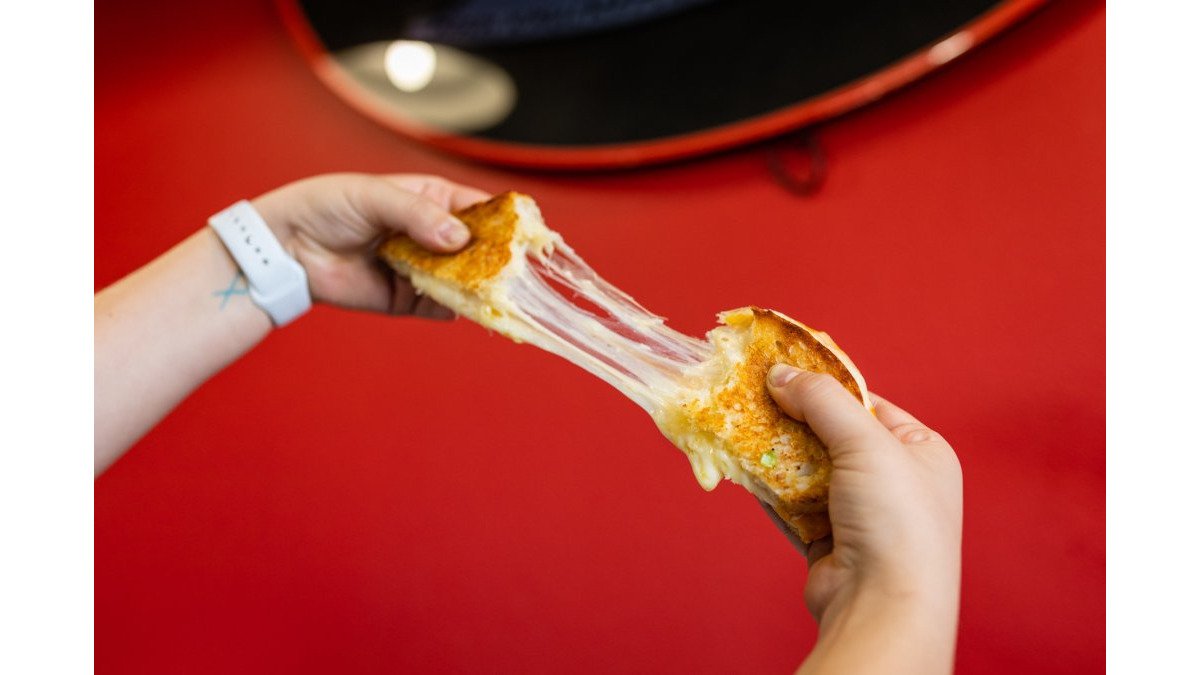
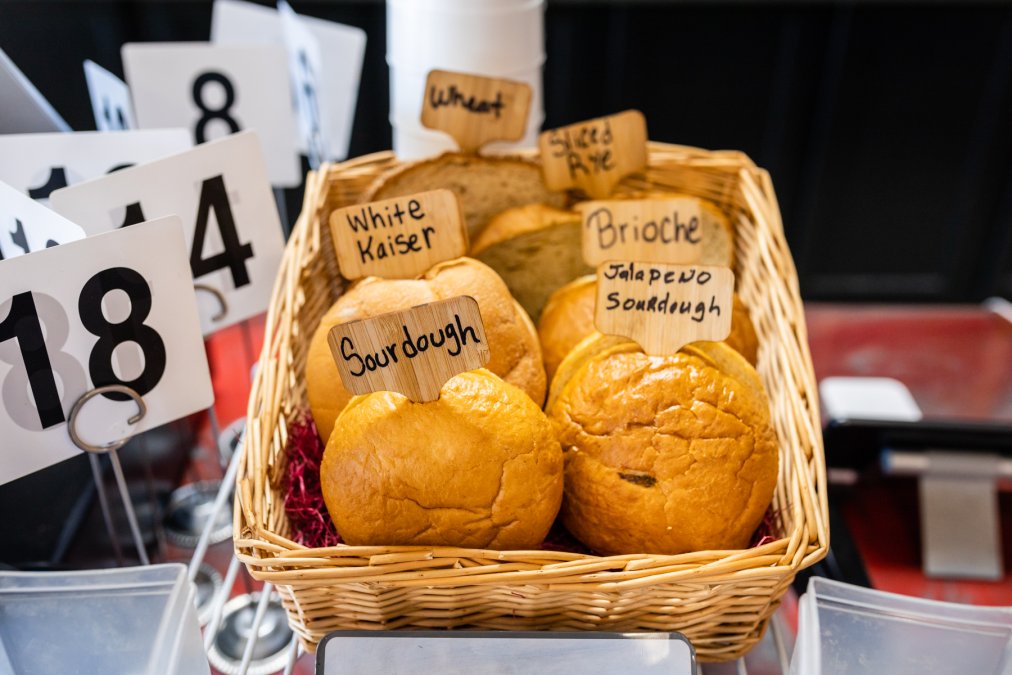
The clearest signs of high quality catering show up on the plate before anyone says a word. Fresh bread has a crust that crackles when you press it. Scratch-made fillings taste bright and distinct instead of flat and salty.
Here is what to look for when you evaluate a caterer's food:
- Bread with texture. Fresh-baked bread has a tender crumb and a crust that gives slightly under your thumb. Bread that tastes dry or squishes flat was likely baked days earlier.
- Vegetables that look like vegetables. Crisp lettuce, ripe tomato, and onions with real bite signal produce that was prepped recently, not pulled from a bag.
- Layered, balanced flavor. House-made spreads and salsas taste of their ingredients. When a caterer makes salsa from scratch, you can taste the difference between fresh chilies and a jarred shortcut.
Why Processed Deli Meats Are a Warning Sign
Processed deli meats are one of the easiest shortcuts a catering company can take, and one of the most telling.
We do not use processed deli meats at Knuckle Sandwiches, and we think that matters when you are feeding a team every week. If you want to understand what is in those products and how to lower your exposure, read our guide on how to lower your risks of processed deli meats. A caterer who can tell you exactly how their proteins are prepared, and who avoids the processed route, is showing you their standards before you ever sign a contract.
Food Safety Standards and Hygiene You Can Verify
Ask any caterer for their food service license number and the certifying body behind any food handler or food manager certification, then confirm both are current.
Ask these questions and request the supporting documents:
- Licensing and insurance. Request a copy of the food service license and a certificate of general liability insurance. The certificate should name the insured business and show an active policy period. If the caterer cannot provide either, walk away.
- Food handler training. Staff should be able to describe their training without hesitation, including who on the team holds a food manager certification. Ask how often training is refreshed.
- Temperature control. Ask how hot and cold food is kept at safe temperatures from kitchen to table. Ask what equipment keeps food at temperature during transport and how they monitor it. A caterer who can describe their holding equipment and their check routine is showing you their process.
- Cross-contamination and allergen protocols. Ask how they separate prep areas, utensils, and serving tools for common allergens, and how they label dishes at the event. A written allergen matrix or ingredient list is a good sign; a verbal "we'll figure it out" is not.
- Cleaning and pest control. A caterer proud of their kitchen will describe their cleaning schedule and any third-party pest control service in detail. Vague answers here often mean the kitchen has never been audited.
The FDA food safety guidance for food establishments lays out the baseline expectations for holding temperatures, handwashing, and cross-contamination, and a professional caterer should be able to speak to them in plain language. For a deeper look at safe planning around allergies, see how to plan catering that handles food allergies safely.
Watch out: a caterer who cannot explain how they prevent cross-contamination during high-volume service is a real risk, especially if anyone on your team has an allergy.
At Knuckle Sandwiches, we build every sandwich, panini, and sub in house from whole ingredients, and we do not use processed deli meats.
Menu Flexibility and Dietary Accommodations That Go Beyond the Checklist
Menu flexibility means a caterer can adjust dishes, portions, and ingredients to fit your group instead of forcing you into a fixed package. That flexibility is one of the strongest signs of high quality catering, because it shows the kitchen cooks rather than just assembles.
Customized menus matter most when your guest count includes dietary restrictions. A caterer who offers real allergen accommodations, not just a sad side salad, will ask you questions first: Who has allergies? How severe? Do you need separate prep? Ask our team about custom orders when you contact us.
Your Catering Company Checklist for Vetting a Vendor
A catering company checklist turns a vague feeling into a fair comparison. Use the same criteria for every vendor you talk to, request the same evidence from each, and score each one honestly.
Here is a checklist you can copy into a spreadsheet and use for every vendor:
- Ingredients and preparation. Can they describe their ingredients and how each dish is made? Ask for a sample menu with preparation notes.
- Scratch cooking versus shortcuts. Do they avoid processed shortcuts and cook from scratch? Ask specifically about deli meats, sauces, and sides.
- Guest count capacity. Can they handle your guest count without cutting corners? Ask for the largest event they have served in the past year and a reference from it.
- Dietary accommodations. Do they offer real dietary accommodations and allergen information? Request a written allergen matrix or ingredient list.
- Logistics. Are they clear about delivery windows, setup, and staffing? Ask for a written timeline.
- Pricing structure. Do they explain their pricing structure and what is included? Request an itemized quote, not a lump sum.
- References. Can they share client reviews and references from similar events? Ask for two references from events like yours.
- Contingency plan. Do they have a plan for delays, shortages, or last-minute changes? Ask them to describe it in writing.
Request these documents from every vendor before you decide:
- A current food service license and certificate of insurance
- A sample itemized quote showing food, delivery, staffing, and any service fees
- A written cancellation and guest-count change policy
- An allergen matrix or ingredient list for the proposed menu
- Two references from events similar in size and style to yours
This checklist is the fastest way to separate a professional caterer from an order-taker. If you want a more detailed framework, our guide on how to choose office catering walks through the full evaluation.
At Knuckle Sandwiches, we cater breakfast, lunch, and celebrations, and we make our food from scratch in house.
Questions to Ask a Caterer Before You Sign Anything
The right questions to ask a caterer reveal how they operate under pressure. Anyone can promise great food. Reliability, communication, and organization are what actually protect your event.
Ask about the details that cause problems later:
- Timing: What is your delivery window, and what happens if you run late?
- Guest count changes: How much notice do you need if our headcount shifts?
- Contingency: What is your backup plan if an ingredient runs short?
- Staffing: Who sets up, serves, and cleans up, and is that included?
- Contracts: What is the cancellation policy, and what exactly does the quote cover?
A caterer with industry experience answers these without flinching. One who gets defensive is telling you something. For a step-by-step planning process, read 7 steps to plan office catering without the headaches.
| Question Area | What a Strong Answer Sounds Like | What to Watch For |
|---|---|---|
| Delivery timing | Specific window, plus a plan for delays | Vague promises like "sometime that morning" |
| Guest count changes | Clear cutoff date and how pricing adjusts | No policy, or penalties that appear late |
| Contingency planning | Backup ingredients and staff on call | "That never happens" |
| Pricing and contract | Itemized quote, written cancellation terms | Lump-sum quotes with no breakdown |
| Dietary needs | Detailed ingredient lists and separate prep | "We can probably work around it" |
How to Choose Office Catering That Your Team Will Actually Eat
Choosing office catering comes down to matching the food to the people in the room. The best catering service for a 7 a.m. safety meeting is not the same as the one for a Friday celebration.
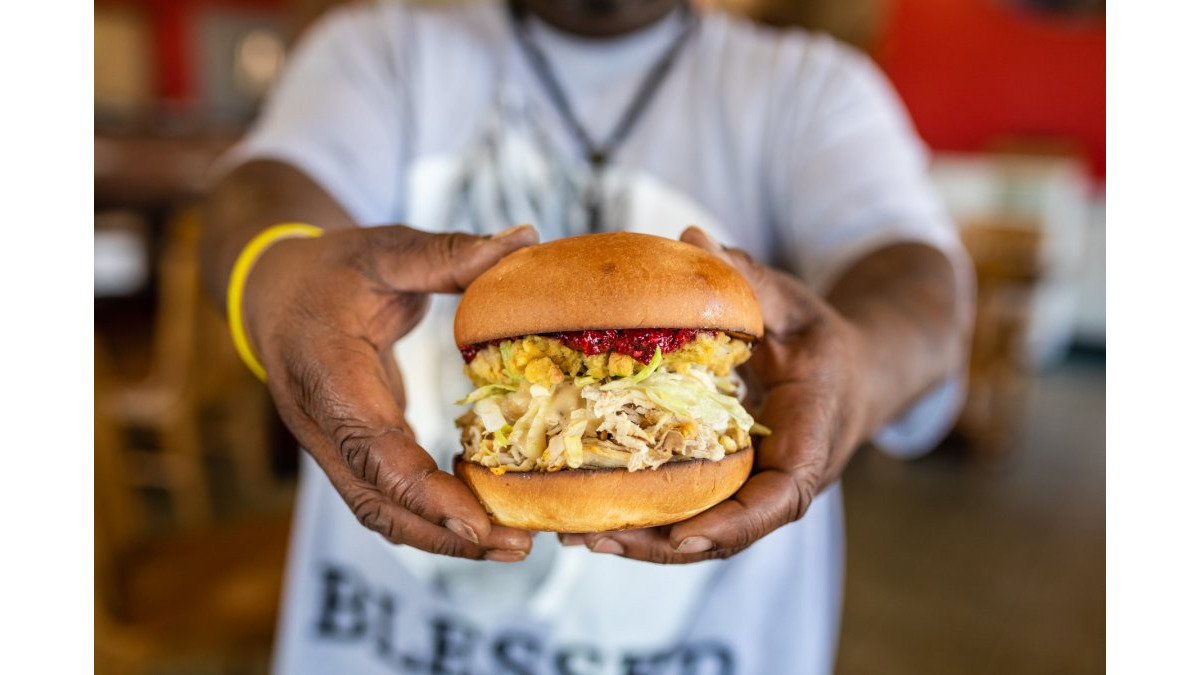
Start with variety and freshness. A spread of sandwiches, paninis, salads, and subs gives picky eaters and adventurous eaters something to reach for.
Then think about reliability. Punctuality and time management decide whether lunch lands before the meeting ends. A locally owned shop that knows your building and your schedule beats a call center every time.
Office Catering Menu Ideas for Meetings, Breakfasts, and Celebrations
Office catering menu ideas should fit the moment. A morning meeting needs food people can eat at their desks. A celebration needs something worth gathering around.
For breakfast catering, we make breakfast burritos, bagel sandwiches, and bowls, all built to order and delivered hot. They travel well and hold up for a room full of people arriving at different times.
For lunch and celebrations, our catering feeds a crowd without the processed shortcuts. Sandwiches, paninis, salads, subs, and homemade desserts cover a range of tastes, and our Cuban sandwich is the best outside of Miami.
Order Scratch-Made Catering for Your Next Team Event
Ready to put these signs of high quality catering to the test? The easiest way is to taste the difference yourself. Whether it is a breakfast meeting, an office lunch, a graduation, or a birthday, we cater it and we make it from scratch, in house, with no processed deli meats and no shortcuts.
Knuckle Sandwiches offers quick pickup and fast delivery so your food arrives hot and fresh. Get started with Knuckle Sandwiches and give your next event food your team will actually look forward to. Order now through our scratch-made sandwich catering guide and lock in your date.
Frequently Asked Questions
What are the 10 qualities of a good caterer?
A strong caterer shows consistent traits such as fresh ingredients rather than processed meats, scratch-made preparation, clear communication, and organized setup. You rarely see all ten on a first call, but asking direct questions about each one separates serious operations from order-takers. Pay closest attention to food sourcing and communication speed, since those two predict how the rest of the event will go.
How can you tell if a catering company is reliable?
Reliability shows up before the event. A dependable caterer confirms your guest count and delivery window in writing and explains what happens if something goes wrong on their end. Ask how they handle a late delivery or a shortage, and whether they have a backup plan for high-volume service. Consistent online reviews that mention punctuality and organization are worth more than a single glowing testimonial. When you choose office catering for a recurring meeting, test reliability with one smaller order first.
How do you evaluate catering food quality?
Start with what the food is made from. High quality catering uses fresh ingredients and house-made components, and avoids processed deli slices. Ask whether items are made from scratch in house or brought in pre-made. During a tasting, look at presentation, texture, and seasoning consistency across several dishes. A caterer who can explain exactly what goes into a sandwich, and who avoids shortcuts, is showing you the signs of high quality catering before you ever place the order.
How can a caterer accommodate dietary restrictions?
A well-run caterer keeps detailed ingredient lists and can tell you which items contain common allergens. Ask whether a caterer prepares allergen-safe orders separately to limit cross-contact, and get the answer in writing. Menu flexibility matters too: a caterer who can customize a sandwich platter, swap sides, or build a breakfast spread around dietary needs is easier to work with than one who only offers fixed packages. Confirm final counts and restrictions at least a week ahead so the kitchen can plan.